
Notable Roles | - Co-founder & Chairman, XtalPi Holdings Ltd. (晶泰科技) |
Key Recognition | - Fortune China 40 Under 40, 2020 |
Background and Early Foundations
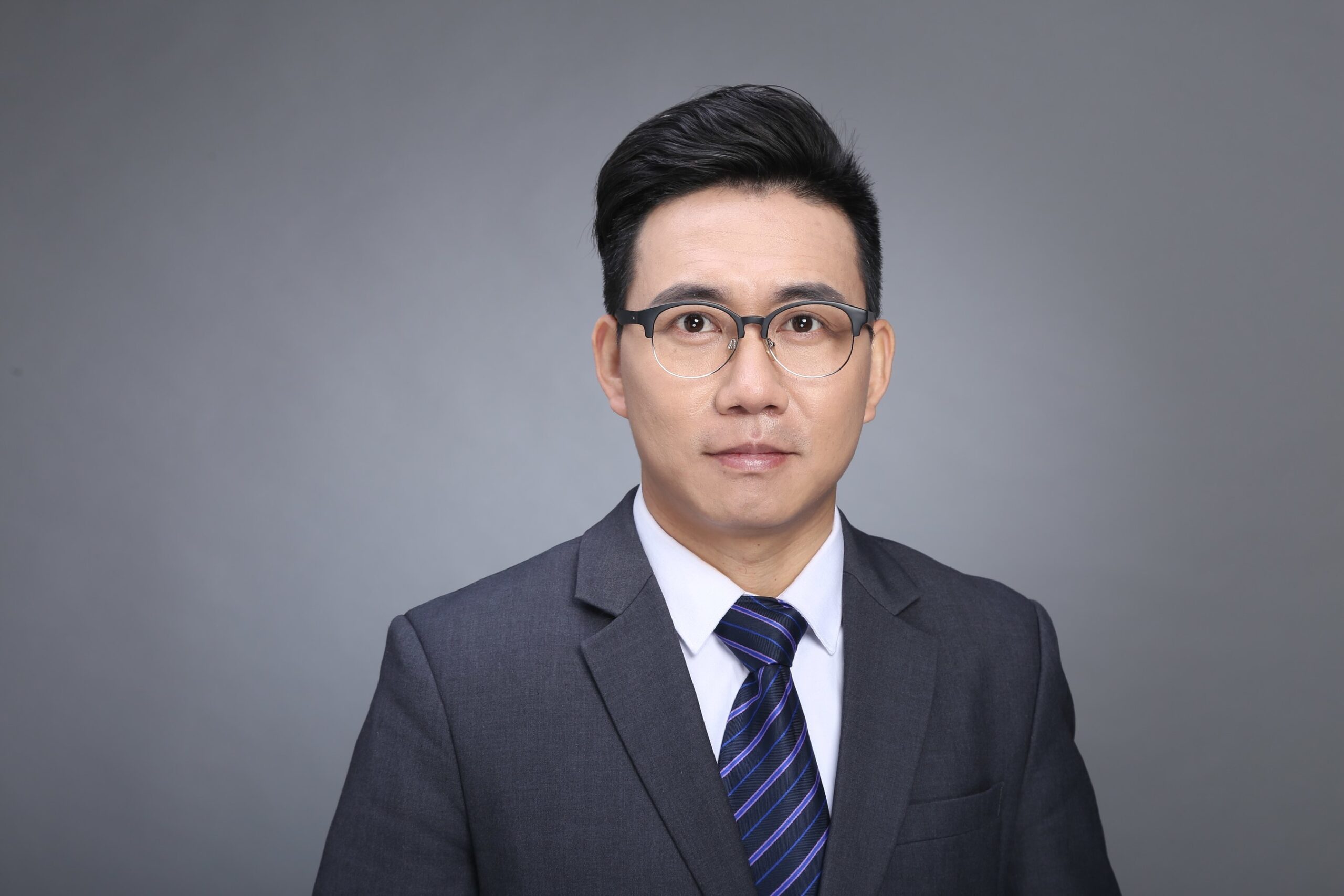
Wen Shuhao is a quantum physicist with a PhD in Physical Chemistry from the Chinese Academy of Sciences. He pursued postdoctoral research at the University of California, Riverside, and later at the Massachusetts Institute of Technology (MIT). In 2015, during his postdoc at MIT, Wen co-founded XtalPi alongside fellow quantum physicists Ma Jian and Lai Lipeng. The company integrates quantum physics, artificial intelligence (AI), cloud computing, and robotics to accelerate drug discovery and materials science research.
Career Milestones and Impact
Year | Milestone |
|---|---|
2015 | Co-founded XtalPi at MIT, focused on AI-powered drug discovery. |
2016 | Achieved 100% accuracy in Pfizer blind prediction test, sealing a 10-year research partnership. |
2020 | Named to Fortune China's 40 Under 40 list for science and tech entrepreneurship. |
2024 | Led XtalPi to become first IPO under HKEX Chapter 18C, raising nearly HKD 1 billion. |
- Market Cap (2025): ~HKD 18.5 billion
- Employees: 809 globally
- IPO Raised: HKD 989.3 million (HKEX, 2024)
- Tech Focus: AI + Quantum Physics + Cloud Computing
- Enterprise Solutions: Pharma, Energy, Advanced Materials
Leadership Style and Influence
Wen Shuhao’s leadership is rooted in scientific rigor, AI-driven scalability, and interdisciplinary collaboration. As Chairman of XtalPi, he has steered the company from an MIT lab spinout to a tech unicorn specializing in predictive pharmaceutical modeling, robotics, and materials innovation. His mentorship style emphasizes research integrity, global partnership, and long-term impact across industries ranging from healthcare to renewable energy.
Legacy and Future Focus
Wen is actively shaping the future of deep tech in Asia through XtalPi and strategic angel investments in biotech and advanced materials ventures. His vision extends beyond pharmaceuticals into climate tech, semiconductors, and AI-enabled infrastructure. As China’s youngest member on MIT’s Chemistry Visiting Committee, he is committed to bridging academic excellence with real-world problem solving.