


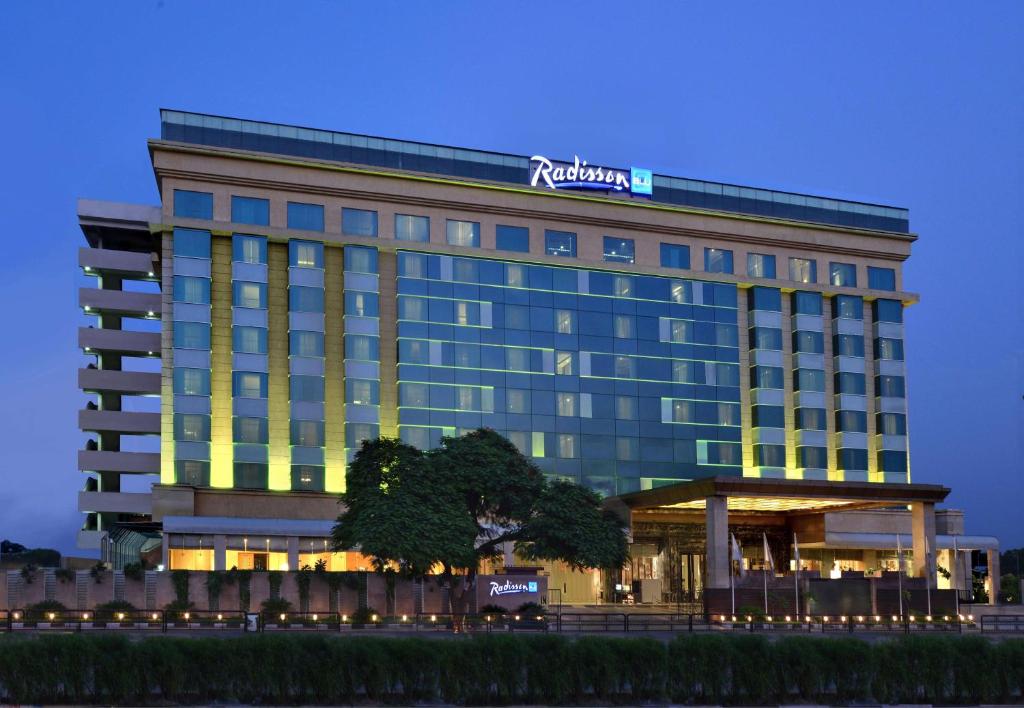
Radisson Philippines expansion signals long-term Southeast Asia growth
Radisson Hotel Group has announced a multi-year expansion plan in the Philippines, with new hotel openings planned in Cebu in 2027 and in Quezon City and Laoag in 2028. The move strengthens its Southeast Asia growth pipeline and reinforces confidence in the country’s tourism and urban development trajectory.
The Radisson Philippines expansion reflects sustained demand across business and leisure travel segments. As infrastructure upgrades accelerate and regional connectivity improves, international hotel operators are positioning early to capture future occupancy growth across key Philippine destinations.
Philippines tourism momentum strengthens investor confidence
The Philippines continues to attract international and domestic travellers as aviation capacity and tourism marketing expand. The Department of Tourism Philippines has intensified promotional campaigns, while the Tourism Infrastructure and Enterprise Zone Authority (TIEZA) supports destination development projects nationwide.
Cebu remains one of the country’s strongest leisure gateways, combining beach tourism, MICE demand and growing commercial activity. Meanwhile, Quezon City functions as a major urban and administrative hub within Metro Manila. Laoag, located in Northern Luzon, represents an emerging heritage and cultural tourism destination.
Consequently, diversified geographic expansion allows global hotel groups to balance resort-driven demand with urban occupancy stability.
Radisson Hotel Group already operates multiple brands across Asia Pacific. Therefore, its Philippine pipeline forms part of a broader regional strategy targeting high-growth markets in Southeast Asia.v
Brand segmentation and multi-city positioning
The Radisson Philippines expansion leverages a multi-brand strategy tailored to different traveller segments. Premium and upper-upscale offerings cater to international business travellers and conferences, while lifestyle and mid-scale formats address domestic tourism demand.
In Cebu, Radisson plans to capitalise on sustained international arrivals and airport expansion initiatives. Strong connectivity supports long-stay and event-driven bookings.
In Quezon City, proximity to government institutions and corporate headquarters provides steady weekday occupancy. Therefore, business travel will likely anchor performance.
Laoag’s development targets cultural tourism and regional visitors exploring Northern Luzon. By entering secondary markets early, Radisson secures strategic positioning before competition intensifies.
Moreover, phased openings between 2027 and 2028 allow measured capital deployment.
Additionally, multi-city expansion spreads operational risk and improves portfolio resilience.
Importantly, local partnerships with property developers strengthen market entry execution.
Thus, the Radisson Philippines expansion balances scale, diversification and timing discipline.
Southeast Asia hospitality race intensifies
Global hotel chains continue to accelerate Southeast Asia pipelines as regional travel rebounds. International operators increasingly compete for prime sites in gateway and secondary cities.
The Philippines presents strong long-term fundamentals. A young population, improving domestic aviation and infrastructure investments enhance travel flows.
However, competition is rising from both international and domestic hotel brands.
Therefore, brand differentiation and loyalty ecosystem integration become essential.
Radisson’s global loyalty programme and corporate partnerships provide competitive leverage in attracting repeat travellers.
Furthermore, infrastructure upgrades, including airport modernisation projects overseen by Philippine transport authorities, support sustainable tourism growth.
Nevertheless, economic volatility and currency fluctuations remain operational considerations.
Consequently, long-term planning and flexible development structures remain critical.
Pipeline discipline defines sustainable growth
The Radisson Philippines expansion highlights a strategic shift from rapid footprint growth to disciplined pipeline execution. Multi-year timelines signal confidence without overextension.
Hotel development cycles require alignment between financing, construction timelines and demand forecasting. By scheduling openings across several years, Radisson reduces exposure to short-term demand swings.
Moreover, expansion beyond Manila reflects decentralised tourism development.
Secondary cities increasingly benefit from improved road networks and airport infrastructure.
Therefore, early entry into cities like Laoag may yield strong first-mover advantage.
However, execution risks persist. Project delays, cost overruns and shifting market demand can impact performance.
Nevertheless, careful brand positioning and diversified geographic exposure mitigate these risks.
Ultimately, sustained hospitality growth depends on balanced development rather than rapid expansion alone.
Multi-year pipeline shapes market positioning
In the near term, Radisson’s Philippines pipeline strengthens its negotiating position with corporate clients and travel intermediaries.
Over the medium term, successful openings in Cebu, Quezon City and Laoag could encourage further provincial expansion.
Additionally, Southeast Asia’s improving regional connectivity, supported by airlines and tourism boards, may increase cross-border travel flows.
Furthermore, integration of digital booking ecosystems and data-driven pricing strategies will shape occupancy performance.
Looking ahead, the Radisson Philippines expansion may serve as a model for other ASEAN markets with similar urban and tourism dynamics.
As infrastructure projects mature and visitor volumes grow, multi-year hospitality pipelines will remain central to long-term competitive advantage.
Strategic pipeline reinforces Southeast Asia ambitions
Radisson Hotel Group’s planned openings in Cebu, Quezon City and Laoag signal a deliberate and diversified expansion strategy in the Philippines. By aligning brand segmentation with regional demand patterns, the company strengthens its Southeast Asia positioning.
As the country’s tourism and urban infrastructure continue to evolve, disciplined pipeline execution will determine which operators secure lasting market leadership.