

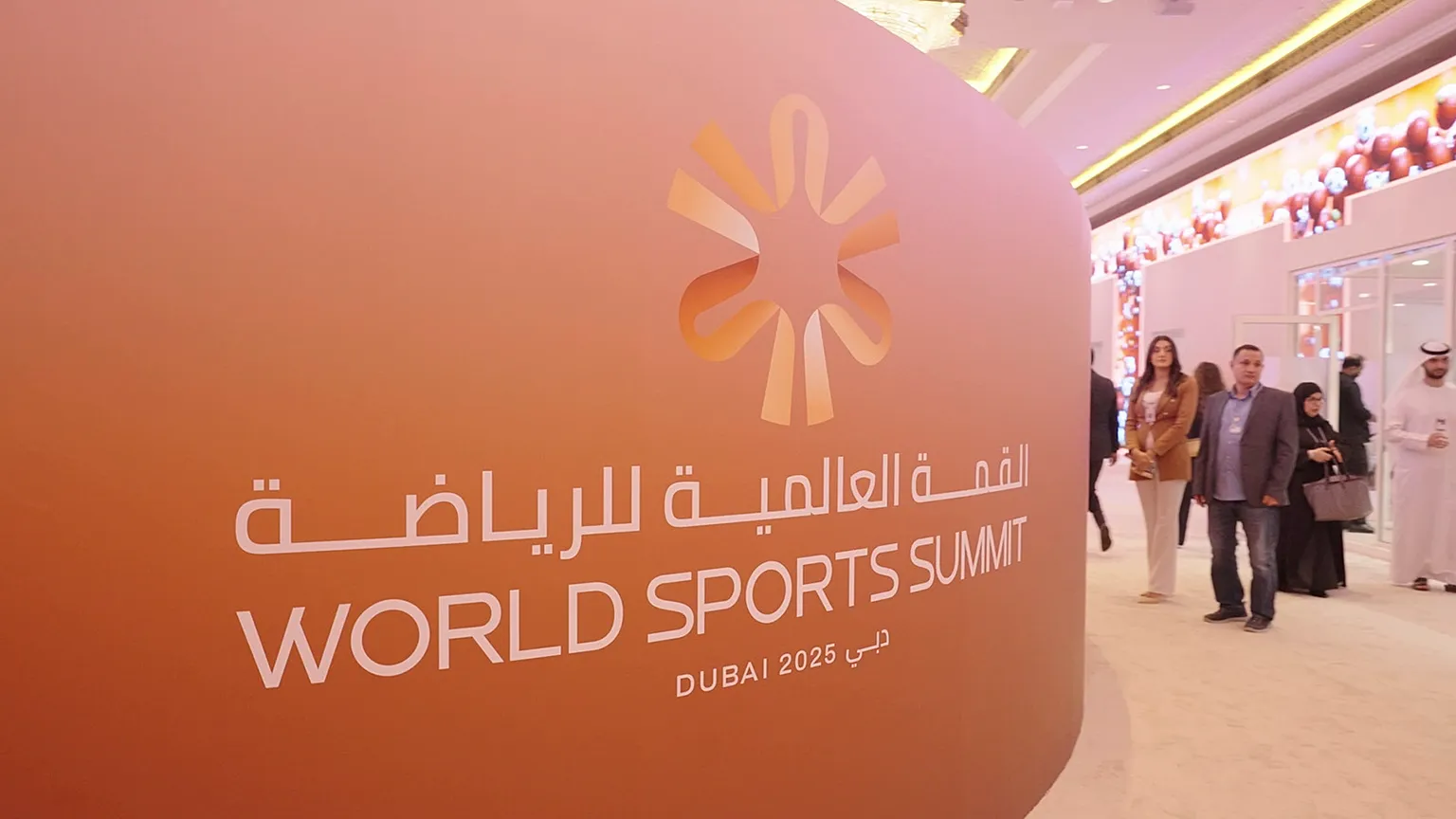
World Sports Summit debut positions Dubai as a global convening hub
The World Sports Summit has opened in Dubai, bringing together more than 1,500 leaders from across the global sports ecosystem. The inaugural edition gathers elite athletes, club executives, league officials, investors, regulators, and technology leaders to examine how sport is being reshaped by capital, innovation, and changing athlete careers.
The summit’s debut reflects Dubai’s growing role as a neutral global meeting point for sport, business, and policy. By hosting a multi-sport forum at scale, the city is positioning itself as a place where decisions about sport’s future are discussed beyond competition results and broadcast rights.
Why global sport needs a new forum
Global sport is undergoing structural change. Investment has surged into clubs, leagues, and events, especially from the Middle East, Asia, and North America. At the same time, technology has altered how fans consume sport, how athletes train, and how organisations operate. These forces have created new opportunities, but also new governance and sustainability challenges.
Traditional sports conferences often focus on single disciplines or commercial deals. The World Sports Summit was designed to address the full ecosystem. By placing football, basketball, motorsport, combat sports, and Olympic disciplines under one roof, the event aims to encourage cross-sport learning rather than siloed debate.
Dubai’s selection as host is strategic. The city has invested heavily in global events, sports infrastructure, and international partnerships. Supported by public-sector backing and private-sector participation, the summit reflects a broader ambition to embed sport within Dubai’s economic and cultural positioning.
What the summit agenda reveals about sport’s direction
The summit agenda centres on four core themes: investment, technology, governance, and athlete transition. These themes reflect where pressure and opportunity now sit within sport.
Investment sessions focus on ownership models, private capital entry, and long-term value creation. Club officials and investors discussed how valuation expectations have risen, while scrutiny over governance and financial discipline has intensified. The presence of institutional investors alongside league administrators signals that sport is increasingly treated as an asset class rather than a passion project.
Technology emerged as another pillar. Panels explored data analytics, fan engagement platforms, broadcast innovation, and AI-driven performance tools. Sports organisations are no longer experimenting at the edges. Many are integrating technology into core operations, from ticketing and marketing to injury prevention and officiating support.
Governance discussions addressed integrity, regulation, and competitive balance. As money flows into sport, questions around transparency, ownership control, and regulatory oversight become unavoidable. Leaders from federations and leagues highlighted the need for consistent frameworks that protect competition while allowing growth.
Athlete transition formed a distinctive part of the programme. Sessions focused on life after retirement, financial literacy, mental health, and career development. By elevating this topic, the summit acknowledged that athlete welfare is no longer a side issue but a central responsibility for modern sports organisations.
Sport is becoming a system, not just an industry
The World Sports Summit highlights how sport has evolved into a complex system linking entertainment, finance, technology, and social impact. Decisions in one area now ripple across the entire ecosystem. A new ownership model affects governance. A new technology affects fan trust. A neglected athlete transition programme affects reputation and talent pipelines.
Dubai’s role as host reflects this systems view. The city has positioned itself as a connector between regions, sports, and industries. By convening diverse stakeholders, the summit encourages alignment rather than fragmentation. This matters because sport’s biggest challenges, from sustainability to integrity, cannot be solved by single actors.
However, the success of such forums depends on follow-through. Conversations alone do not change structures. The real test will be whether ideas discussed translate into policy adjustments, investment discipline, and improved athlete support. Without tangible outcomes, summits risk becoming symbolic rather than transformational.
What to watch after the inaugural edition
The first indicator will be continuity. If the World Sports Summit becomes an annual fixture, its influence can grow. Repeated engagement allows working groups, partnerships, and shared standards to develop over time. One-off events struggle to sustain momentum.
Another watchpoint is regional balance. Future editions may broaden participation from Asia, Africa, and Latin America, regions where sport is growing rapidly but governance frameworks vary widely. A truly global summit must reflect these dynamics rather than concentrate on established markets alone.
Finally, observe how outcomes are measured. Organisers may track progress through published frameworks, pilot initiatives, or cross-sport collaborations launched after the event. Clear metrics will help distinguish the summit as a working forum rather than a networking showcase.
World Sports Summit signals a new phase of global sports dialogue
The launch of the World Sports Summit in Dubai marks a notable moment in how global sport convenes and reflects on itself. By uniting more than 1,500 leaders across disciplines, the summit acknowledges that sport’s future will be shaped by collaboration as much as competition.
If the forum delivers sustained engagement and practical outcomes, it can help align investment, technology, governance, and athlete welfare under a shared vision. In doing so, the World Sports Summit has the potential to become a reference point for how sport navigates its next phase of global growth.