




First-of-its-kind league to debut in November with global and U21 talent
India is preparing to launch a new professional shooting tournament—Shooting League of India (SLI)—in November 2025. Modeled on a franchise-based format, the league will feature 6–8 privately owned teams, combining domestic stars, under-21 talent, and international Olympic-level shooters.
This move marks a major leap forward for India’s sporting landscape. More importantly, it seeks to bring elite shooting sports into the public spotlight. For a country with a proud history in Olympic shooting, the SLI could transform how Indians view and support precision-based sports.
Why India’s shooting scene needs a league
India has long produced top-tier shooters. Names like Abhinav Bindra, Rahi Sarnobat, and Manu Bhaker are well known to Olympic fans. However, despite medals and global rankings, shooting has remained underrepresented in the country’s mainstream sports ecosystem.
Most shooting events in India are confined to training camps or national trials, far from the eyes of the public. As a result, the sport has struggled to gain commercial sponsors, fan engagement, or consistent media coverage.
With the Shooting League of India, the goal is to create a structured, televised, and competitive platform that generates visibility. Moreover, by including junior and overseas talent, the league intends to serve as a bridge between local development and global standards.
Format and strategy of the Shooting League of India
The SLI is designed to follow a city-based franchise model, much like the IPL or Pro Kabaddi League. Each team will represent a regional hub, owned by private investors or sports firms. Athletes will be picked through a player draft system, with bidding rights going to the franchises.
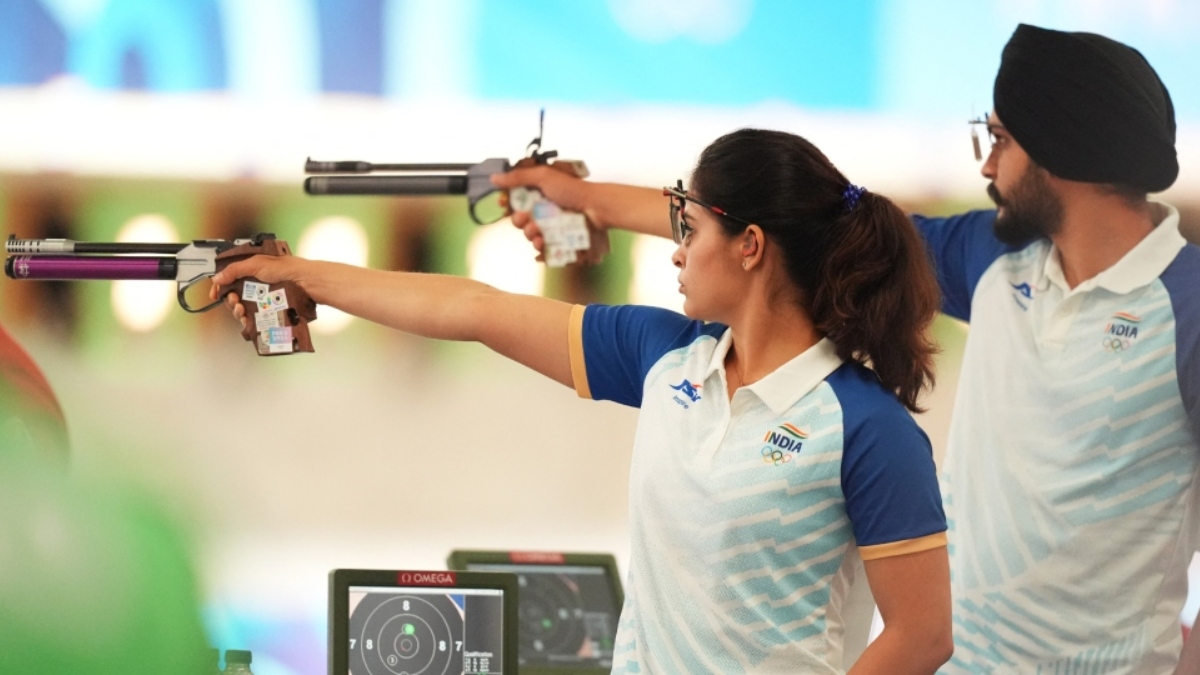
Importantly, the league will span Olympic disciplines such as 10m air rifle, 10m air pistol, and trap shooting, ensuring competitive parity with international rules. Shooters will compete in both individual and team formats, mixing senior, junior, and foreign talent.
Organizers have confirmed that prize money, athlete contracts, and broadcast rights are already under negotiation. The league will also focus on youth engagement, aiming to spotlight under-21 athletes with high potential.
As a result, the SLI could become a feeder system for national squads, offering young shooters a way to perform under pressure and on-camera—key elements for Olympic success.
Shooting League of India
The launch of the Shooting League of India is not just about sports entertainment—it reflects India’s wider ambition to become a global sports powerhouse. While cricket remains dominant, there is increasing investment in niche and Olympic sports.
Moreover, shooting offers India a real chance at Olympic medals. The country has produced multiple world champions, and its shooting academies are among the best in Asia. However, until now, there was no professional league that offered visibility and earning opportunities.
The SLI fills that gap. It brings together government support, private capital, and athlete development into one coherent model. This could pave the way for long-term investments in infrastructure and training.
In addition, it gives global athletes a reason to participate in India, strengthening its position in international shooting.
Broader implications for Asian sport leagues
The success of leagues like the IPL, ISL, and Ultimate Table Tennis has shown that India’s sports market is open to new formats. Fans want high-quality action, team loyalty, and stories they can follow. The SLI will aim to deliver on all fronts.
Other Asian countries like China, Japan, and South Korea have yet to attempt a similar shooting league format. This gives India a first-mover advantage in the region.
If successful, the SLI could also lead to cross-country shooting tournaments or Asian league tie-ups, improving regional cooperation and standardization.
India targets Olympic future with new league model
The Shooting League of India represents more than a new tournament—it’s a shift in how Olympic sports are promoted, funded, and celebrated in the country.
With its launch set for November, it offers a chance to elevate a sport that has already brought India global glory. Moreover, it places India at the forefront of sports innovation in Asia, with a model that blends competition, youth development, and global participation.
If executed well, the SLI could be the spark that turns India’s shooting potential into podium success for years to come.