


New partnership targets youth athletes, sports tech, and infrastructure growth
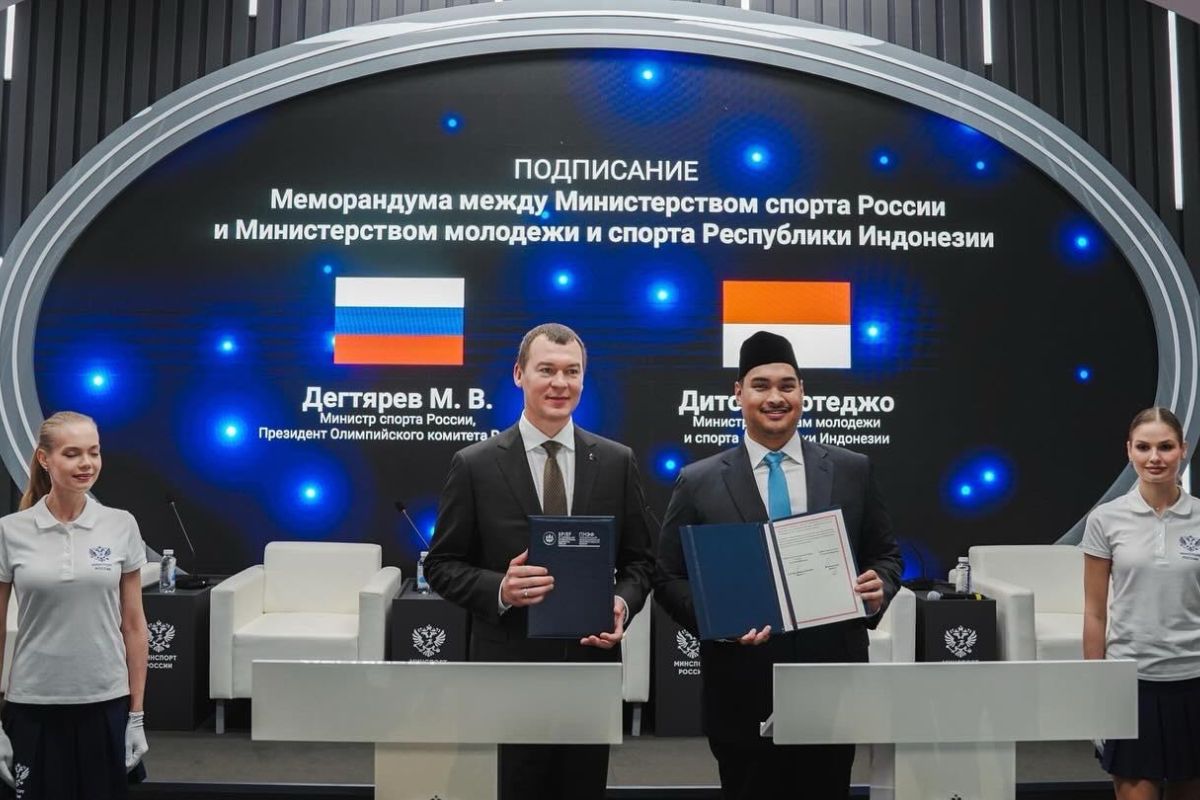
Indonesia and Russia have signed a wide-ranging memorandum of understanding (MoU) to strengthen collaboration in youth sports development, sports technology, and athletic infrastructure. Announced in Jakarta on July 5, 2025, the agreement marks a significant step in advancing bilateral relations through shared sporting goals and cultural diplomacy.
Strengthening bonds through sport
In recent years, Indonesia and Russia have expanded ties through trade, education, and cultural exchange. Now, sport has become an increasingly effective platform for fostering cooperation. This MoU builds on that momentum, introducing structured plans for athlete exchanges, sports science, and innovation in facility development.
Indonesia continues to invest in athletic infrastructure as part of its broader push to host events like the ASEAN Para Games and the Youth Olympics. On the other hand, Russia brings decades of experience in elite training systems, winter sports, and sports technology.
Importantly, this agreement formalizes the commitment to collaborate on youth development. It introduces joint training programs, youth camps, and new technologies aimed at boosting safety and performance standards across both countries’ sports sectors.
Talent training and tech innovation
The MoU focuses on three key areas: athlete development, technological collaboration, and facility modernization. These priorities align closely with Indonesia’s “Sport 2045” vision to position itself as a regional leader in sports innovation.
Under the agreement, Indonesian sports federations will adopt Russian training techniques and specialized equipment. In exchange, Russian teams will gain experience training in Indonesia’s tropical climate, offering new conditioning strategies for their athletes.
Moreover, both countries aim to advance their sports technology ecosystems. Russia will support Indonesia in developing AI-driven coaching platforms and performance-tracking tools based on biometric data. This will give coaches and athletes greater insight into progress, recovery, and peak performance metrics.
The agreement also promotes joint research projects, university exchange programs, and collaborative design of sports facilities. These efforts will help upgrade stadiums, recovery centers, and athletic campuses in both nations.
Diplomacy with a competitive edge
Sports diplomacy has long been a tool for international cooperation. However, this new MoU comes at a time when both Indonesia and Russia are seeking to elevate their influence in Asia and beyond. Therefore, the partnership is timely and strategic.
For Indonesia, the agreement strengthens its ambition to lead Southeast Asia not only in hosting events but also in developing world-class athletes. At the same time, it helps local stakeholders tap into global best practices in coaching, technology, and sports medicine.
For Russia, the partnership offers a route to greater engagement with the Asia-Pacific region. Given the current limits on Western partnerships, this deal reflects Moscow’s pivot toward alternative alliances. Sports, in this case, become a channel for deeper, long-term diplomacy.
Together, the two nations can leverage complementary strengths. Indonesia offers a young and growing talent pool along with a surge in infrastructure investment. Russia contributes rich expertise in athletic performance, innovation, and strategy.
Empowering the next generation
Implementation is scheduled to begin in Q4 2025. Athlete exchanges and youth training camps are expected to launch as early as January 2026. Indonesia’s Ministry of Youth and Sports will soon unveil a national roadmap that integrates the MoU into its broader talent development initiatives.
Looking further ahead, the partnership may expand into areas such as esports, adaptive sports, and international tournaments co-hosted by both countries. As the collaboration grows, it is likely to attract interest from private sector players. Companies specializing in sportswear, tech, and wellness may find fresh opportunities in this new framework.
If carried out successfully, this MoU could serve as a model for other nations looking to enhance sports diplomacy. It reflects the idea that investing in youth athletics fosters more than just competition—it builds leadership, trust, and cooperation across borders.
Sporting diplomacy with long-term impact
The Indonesia–Russia MoU on sports development demonstrates how international cooperation in athletics can deliver both strategic and social value. This partnership extends far beyond games and tournaments. It focuses on capacity building, shared learning, and youth empowerment.
In a complex global landscape, sports remain one of the few truly universal languages. As Indonesia and Russia commit to shaping future generations of champions together, they also lay the foundation for deeper, long-lasting diplomatic ties. This MoU may well define a new era of cross-border collaboration in Asia-Pacific’s sports ecosystem.