


A pole-to-flag victory with symbolic weight
George Russell secured a commanding victory at the Singapore Grand Prix, bouncing back from earlier mistakes this season to deliver a flawless drive under the Marina Bay lights. The win marked not only personal redemption for the Mercedes driver but also a pivotal moment in Formula 1’s deepening engagement with Asia.
For Russell, who had endured a series of near-misses and errors in 2025, the triumph validated his resilience. For the sport, it provided a spectacle in one of F1’s most important Asian circuits, underscoring the region’s growing role in motorsport’s global expansion.
Struggles before the breakthrough
Russell entered the Singapore weekend under pressure. Earlier races had seen him falter—missed podiums due to strategy calls, driving errors, and mechanical issues. These setbacks raised questions about his ability to consistently convert qualifying pace into victories.
Mercedes, too, has faced its share of turbulence. After years of dominance, the team has been fighting to re-establish itself as a regular title contender. While Lewis Hamilton’s experience continues to anchor the garage, Russell’s development has been central to the team’s long-term plans.
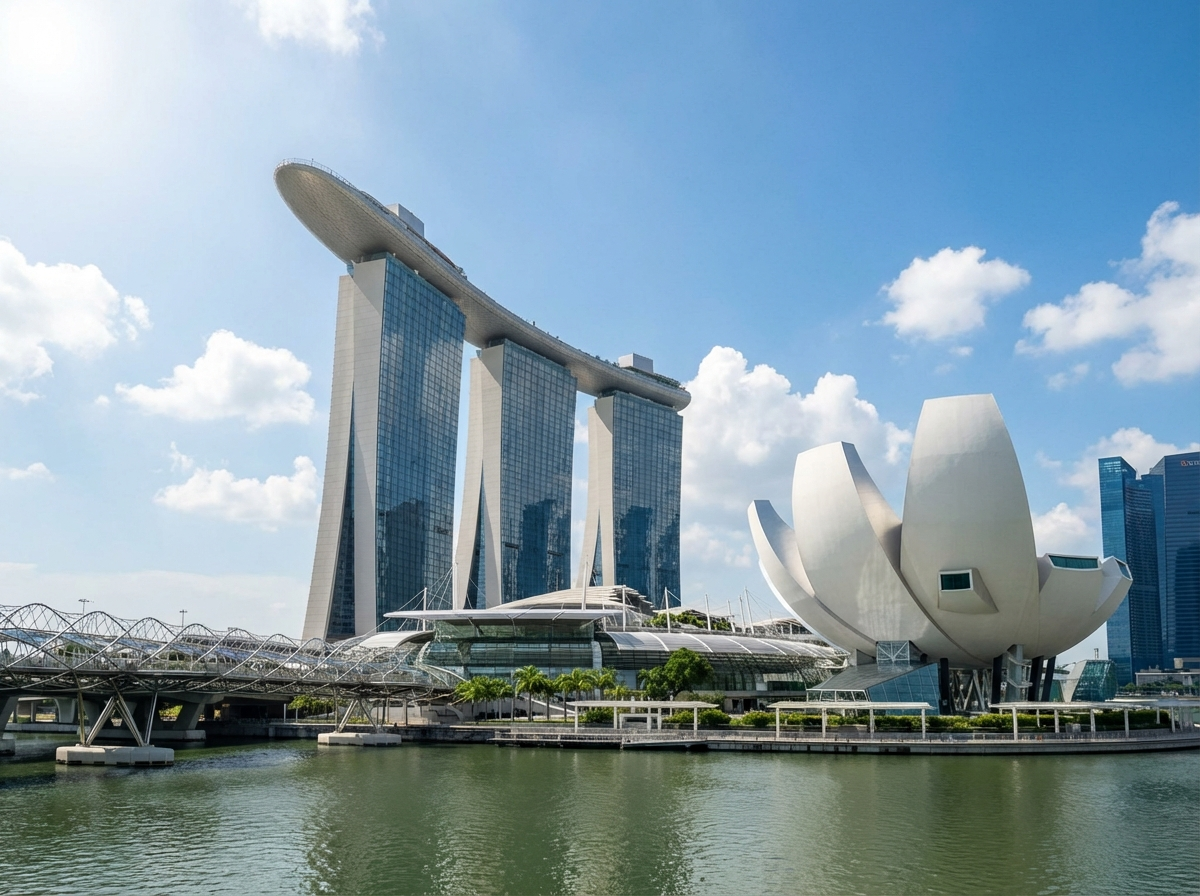
The Singapore Grand Prix, staged at the iconic Marina Bay Street Circuit, has always been known for its difficulty. Heat, humidity, and relentless corner sequences test drivers physically and mentally. For Russell, it was the ultimate stage to prove he could rise above adversity.
Precision, pace, and control
From the moment Russell secured pole position, the signs were promising. At the start, he maintained composure, holding off challenges from Red Bull and Ferrari cars behind. His pace on medium tires created early separation, while Mercedes’ pit-wall executed a seamless one-stop strategy that kept him ahead during critical phases.
Mid-race, a safety car threatened to erode his advantage, but Russell stayed calm, managing restarts with confidence. Unlike earlier races where small mistakes cost him dearly, this time his lines through Marina Bay’s tight corners were precise, his tire management disciplined.
By the final laps, Russell had built an unassailable gap. Crossing the line first, he clinched a win that symbolized not only his technical growth but also his mental maturity under pressure.
Asia’s growing F1 stage
The Singapore GP has become more than just another stop on the Formula 1 calendar. Since its debut in 2008, it has grown into a symbol of F1’s Asian ambitions, attracting global attention for its night-race spectacle and drawing fans from across the region.
Russell’s victory adds another layer to this narrative. It highlights how Asian circuits are no longer peripheral—they are now decisive stages where careers are defined. With markets like Singapore, Japan, and China investing heavily in motorsport, F1’s commitment to Asia is evident. The success of drivers like Russell on these circuits fuels local interest, potentially inspiring new generations of Asian racers and fans.
Moreover, the commercial dimension cannot be overlooked. Sponsors, hospitality, and tourism tied to the Singapore GP inject millions into the local economy. For Formula 1, Asia represents both a commercial engine and a growing fan base, making races like Singapore pivotal to the sport’s future.
Russell, Mercedes, and the Asian motorsport scene
Russell’s redemption in Singapore could mark the start of a more consistent winning streak. With Mercedes refining its car package and strategic execution, his victory may serve as a confidence booster ahead of upcoming races in Japan and the Middle East.
For the team, balancing Hamilton’s veteran experience with Russell’s ascent creates a dynamic that could be decisive in the Constructors’ Championship. If Russell maintains form, Mercedes might regain momentum in its battle against Red Bull and Ferrari.
Looking at the broader motorsport picture, Asia’s role will only expand. With rising interest in Indonesia, Thailand, and even potential races in new destinations, Formula 1 is betting on the region as a growth engine. Singapore’s success, amplified by stories like Russell’s, reinforces why Asia is indispensable to F1’s global future.
Redemption under the lights of Marina Bay
George Russell’s victory at the Singapore Grand Prix was more than just a race win—it was a story of resilience, redemption, and renewed belief. By conquering one of the sport’s toughest circuits after months of setbacks, Russell reminded fans why he remains one of F1’s brightest prospects.
For Mercedes, the triumph signals progress toward restoring dominance. For Formula 1, it underscores the growing significance of Asian circuits in shaping global motorsport narratives. Under the glow of Singapore’s night race, Russell not only redeemed himself—he reaffirmed Asia’s place at the center of F1’s evolving story.