


Tokyo’s film scene lights up with Asia’s top short-form storytellers
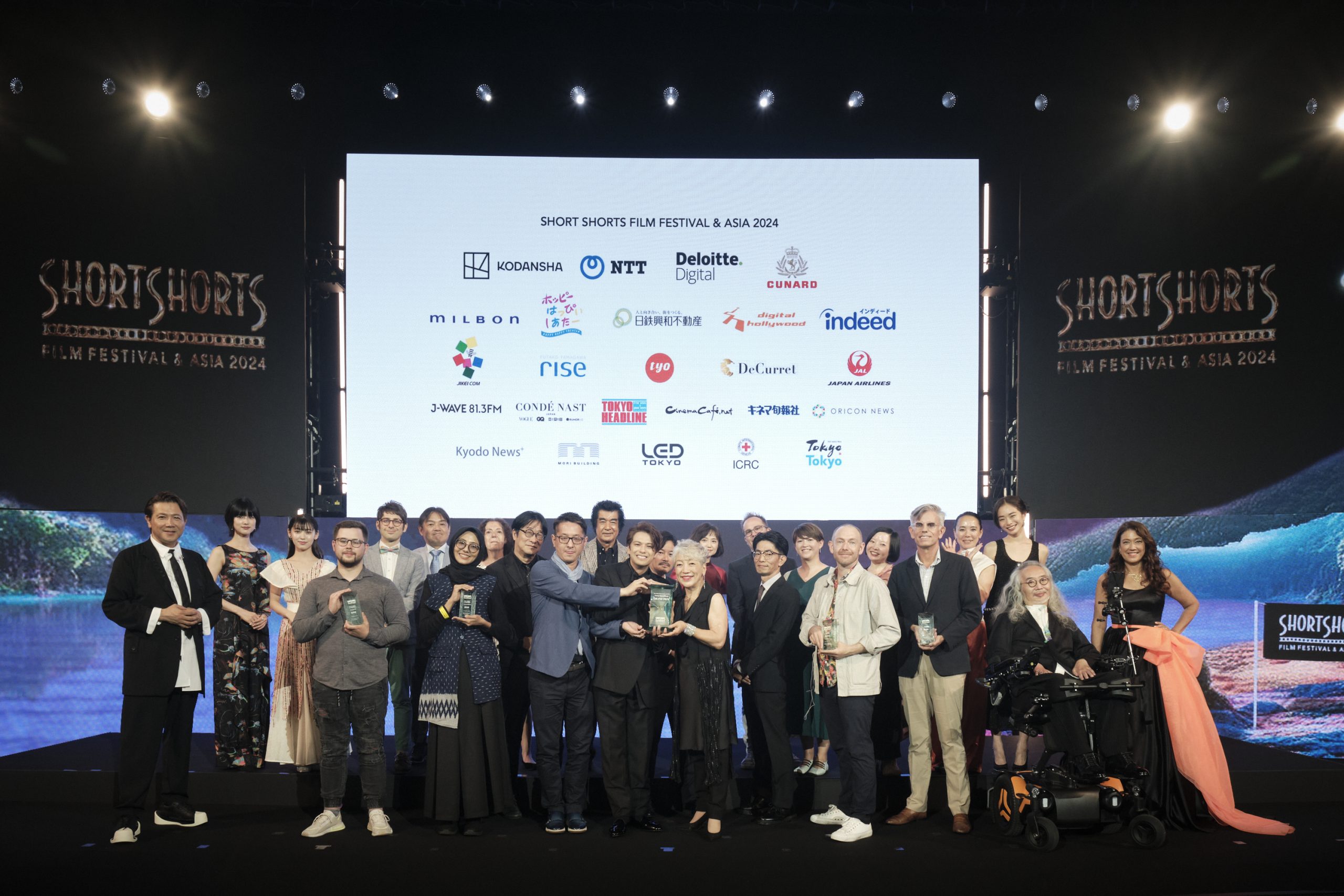
The Short Shorts Film Festival & Asia 2025 returns to Tokyo on June 11, spotlighting emerging talent from around the globe and reaffirming Japan’s growing role in global cinema. As Asia’s leading short film event, it blends storytelling innovation with cultural exchange—solidifying Tokyo’s status as a creative capital.
Background: Shibuya becomes a global hub for short films
Now in its 26th year, SSFF & ASIA has become a launchpad for both Oscar-nominated filmmakers and Asian cinematic voices. Accredited by the Academy Awards®, the 2025 edition will be held at SHIBUYA LINE CUBE and other venues. The festival will screen films under 25 minutes across categories such as animation, documentary, XR, and digital innovation.
Founded by actor and filmmaker Tetsuya Bessho, the festival is backed by Japan’s Ministry of Economy, Trade and Industry (METI) and major sponsors like Sony. This year’s edition features submissions from over 120 countries. For the first time, the awards ceremony will stream globally, broadening access to short cinema and elevating Japan’s cultural visibility.
Strategic impact: Digital storytelling meets Asia’s creative economy
More than just a showcase, SSFF & ASIA functions as a creative bridge—connecting indie filmmakers with production studios, streaming platforms, and content investors. The festival reflects major trends in mobile-first storytelling, immersive media, and AI-generated content.
New categories focusing on XR and climate change storytelling align with Japan’s national strategies for sustainable and tech-forward cultural industries. Additionally, the festival offers an international platform for Japanese artists and attracts global creators exploring themes of identity, migration, and regional heritage.
Editorial insight: Japan’s short films as a tool for soft power
In an age of content overload, short films offer quick, emotionally rich windows into diverse cultures. SSFF & ASIA illustrates how micro-cinema can function as a tool for soft power—facilitating international dialogue through creativity.
By cultivating an inclusive, digitally savvy festival culture, Tokyo strengthens its regional influence. It also supports Japan’s larger ambition to shape Asia’s cultural narrative through media exports and transnational collaboration.
Future outlook: A hybrid blueprint for indie cinema in Asia
Looking ahead, the festival plans to expand its global footprint with multilingual streaming, AI-based translations, and new award categories in virtual storytelling. Organizers are exploring year-round digital programming to maintain audience engagement between festival editions.
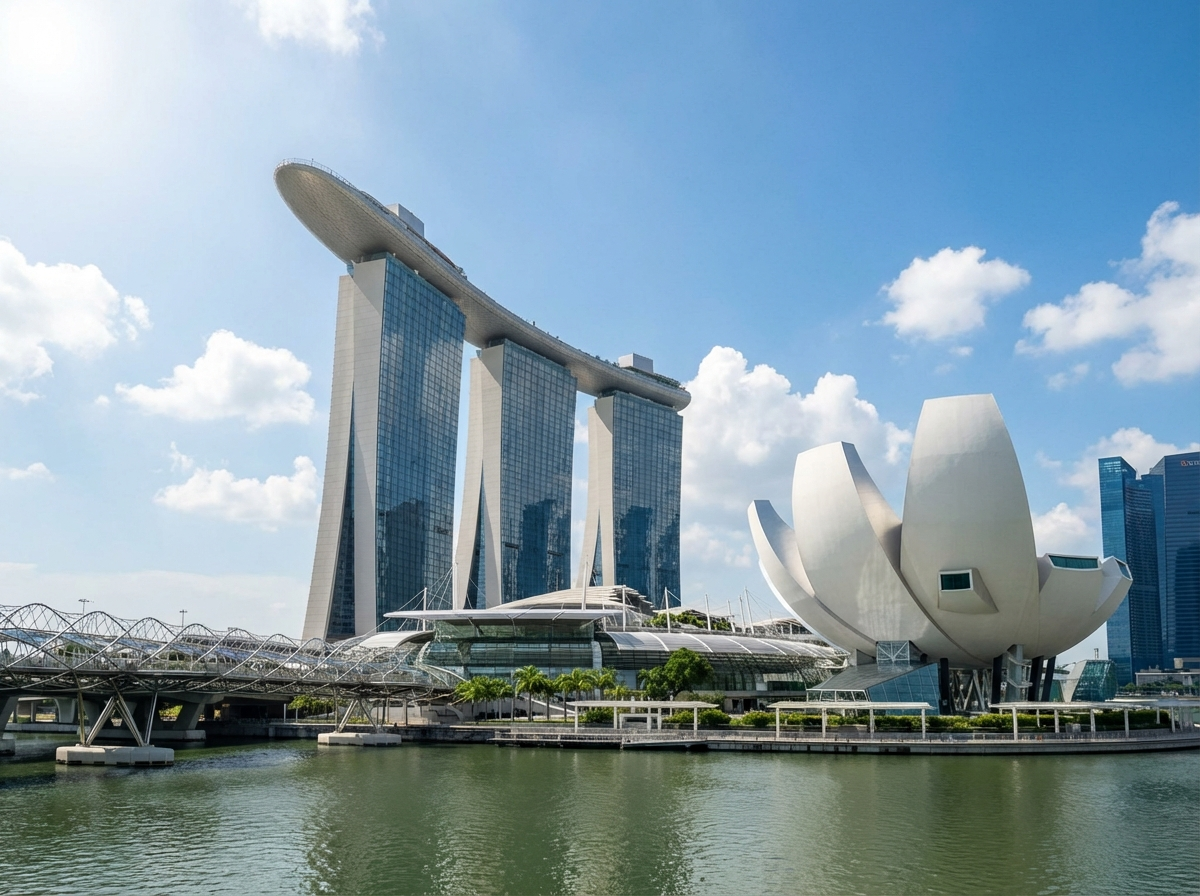
As Japan readies for a summer filled with cultural programming—including the World Aquatics Championships in Singapore—SSFF & ASIA stands out as a driver of soft power and innovation. Its evolution reflects the maturing landscape of Asia’s creative economy and the rising role of digital-first storytelling.
Conclusion: Short Shorts Film Festival & Asia 2025 celebrates creativity and global exchange
The return of SSFF & ASIA 2025 is more than a film event—it’s a signal of Japan’s creative leadership in an increasingly global media ecosystem. With Tokyo as its stage and storytelling as its medium, the festival bridges cultures, platforms, and generations. In doing so, it reaffirms the value of short cinema as both art and diplomacy in the digital age.