

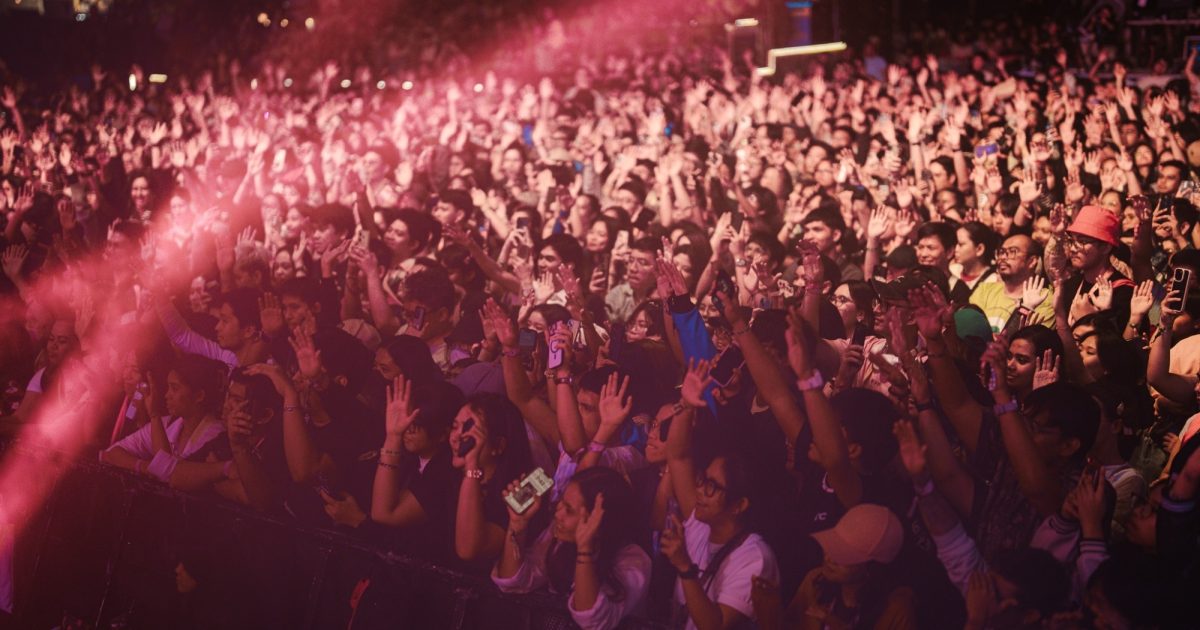
A cultural highpoint for Tamil cinema and music
Chennai is preparing for a historic night on September 13, when the legendary composer Ilaiyaraaja will be celebrated in a grand music festival at Jawaharlal Nehru Stadium. Known as the “Isaignani” or “Musical Genius,” Ilaiyaraaja has transformed Indian music across five decades, blending classical traditions with modern sensibilities.
The event will not only showcase his unparalleled contributions to cinema but also unite Tamil cinema’s biggest names. Superstar Rajinikanth, actor-politician Kamal Haasan, and possibly industry icons Vijay and Ajith are expected to attend. Their presence underscores how deeply Ilaiyaraaja’s music resonates with generations of actors, filmmakers, and audiences alike.
The making of a musical maestro
Ilaiyaraaja’s journey began far from the limelight, in the small town of Pannaipuram, Tamil Nadu. Born in 1943, he grew up immersed in folk music before training formally in classical traditions. His career took flight in the late 1970s, and he quickly became a revolutionary force in film scoring.
What set him apart was his ability to orchestrate complex compositions with a rare blend of Carnatic, Western classical, and folk influences. He introduced computer programming into Indian music as early as the 1980s, and his collaborations with directors like Bharathiraja and Mani Ratnam produced timeless soundtracks that continue to be revered. With more than 1,000 films scored and 7,000 songs composed, his legacy is unmatched in South Asian cinema.
Ilaiyaraaja also became a cultural bridge, extending his influence beyond Tamil cinema into Telugu, Kannada, Malayalam, and Hindi films. His music not only captured the emotional pulse of stories but also elevated them to an art form in themselves.
Why this concert matters now
The decision to honor Ilaiyaraaja with such a grand celebration reflects both cultural and strategic considerations. Tamil Nadu’s film and music industries have entered a new era, with younger stars and global audiences. A festival of this scale reaffirms continuity between the golden age of Tamil cinema and its present dynamism.
First, the concert highlights Chennai as India’s cultural capital. Hosting it at Jawaharlal Nehru Stadium—a venue traditionally reserved for sports and political rallies—elevates the event into a civic moment of pride.
Second, the attendance of Rajinikanth, Kamal Haasan, and possibly Vijay and Ajith ensures that the celebration cuts across generational divides. The uniting of these figures is unprecedented and reinforces the message that Ilaiyaraaja’s music is a shared heritage.
Finally, the festival also has an economic driver. Live concerts, especially of such magnitude, fuel the city’s tourism, hospitality, and cultural industries. With global fans expected to travel for the event, the festival could mark a boost for Chennai’s economy at a time when live entertainment is regaining momentum post-pandemic.
The emotional weight of Ilaiyaraaja’s music
For audiences, Ilaiyaraaja’s music is more than just melody—it is memory. His songs have accompanied weddings, festivals, and personal milestones across South India and beyond. By scoring everyday life with emotion and depth, he has embedded himself into Tamil Nadu’s cultural DNA.
The presence of Rajinikanth and Kamal Haasan carries symbolic meaning as well. Both actors built their careers with Ilaiyaraaja’s music amplifying their on-screen personas. Films like Nayakan, Moondram Pirai, and Thalapathi would not hold the same power without his compositions.
Even younger generations, represented by stars like Vijay and Ajith, have grown within a world shaped by Ilaiyaraaja’s influence. If they do attend, it will serve as a powerful passing of the torch, acknowledging the maestro’s enduring relevance.
This concert is more than tribute—it is testimony to how music can unite artistry, industry, and identity in one collective moment.
Legacy, continuity, and global resonance
Looking forward, the festival raises an important question: how can Ilaiyaraaja’s music be preserved and reinterpreted for new audiences? His compositions, while timeless, must continue to resonate with younger listeners in a rapidly digitizing world.
Digital platforms now provide opportunities for archiving and global distribution. Remastered soundtracks, symphonic reinterpretations, and streaming concerts could ensure that Ilaiyaraaja’s music travels far beyond South Asia. At the same time, live events like this Chennai festival sustain the communal experience of listening—a tradition central to his appeal.
The concert may also spark interest in broader cultural diplomacy. Just as K-pop has extended South Korea’s soft power, Tamil cinema and its music could become global cultural exports. Ilaiyaraaja, as the foundational figure, symbolizes both the roots and the reach of this movement.
In the years ahead, his music will remain a living archive of Tamil identity, inspiring artists, filmmakers, and audiences across borders.
Celebrating Ilaiyaraaja’s timeless music
The Chennai music festival on September 13 is not just an event—it is a cultural milestone. By honoring Ilaiyaraaja in the presence of cinema’s biggest icons, the city is reaffirming the unifying power of music. His legacy, stretching from rural folk roots to global recognition, continues to shape the way India hears itself and how the world hears India.
For fans, artists, and the film industry alike, this star-studded celebration underscores a truth long known in Tamil Nadu: Ilaiyaraaja’s music is eternal.