



Investor confidence and EV market shifts
SoftBank has reduced its stake in India’s Ola Electric, cutting holdings from 17.83% to 15.68% by selling about 2.15% in recent months. The move reflects shifting investor confidence and a recalibration of strategy as Asia’s electric vehicle market evolves. It highlights both India’s growing role in clean mobility and Japan’s changing approach to technology investments.
Ola Electric’s rise in India’s mobility story
Ola Electric, founded in 2017 as a subsidiary of the ride-hailing giant Ola, was created to accelerate electric adoption in India. Headquartered in Bengaluru, the company has positioned itself as a leader in two-wheeler electrification, launching scooters that gained strong consumer interest.
A central piece of its ambition is the Ola Futurefactory, which is among the largest electric two-wheeler plants worldwide. This manufacturing base, combined with strong demand and supportive policies under the Government of India’s EV Mission, has made Ola Electric the dominant force in India’s EV two-wheeler sector.
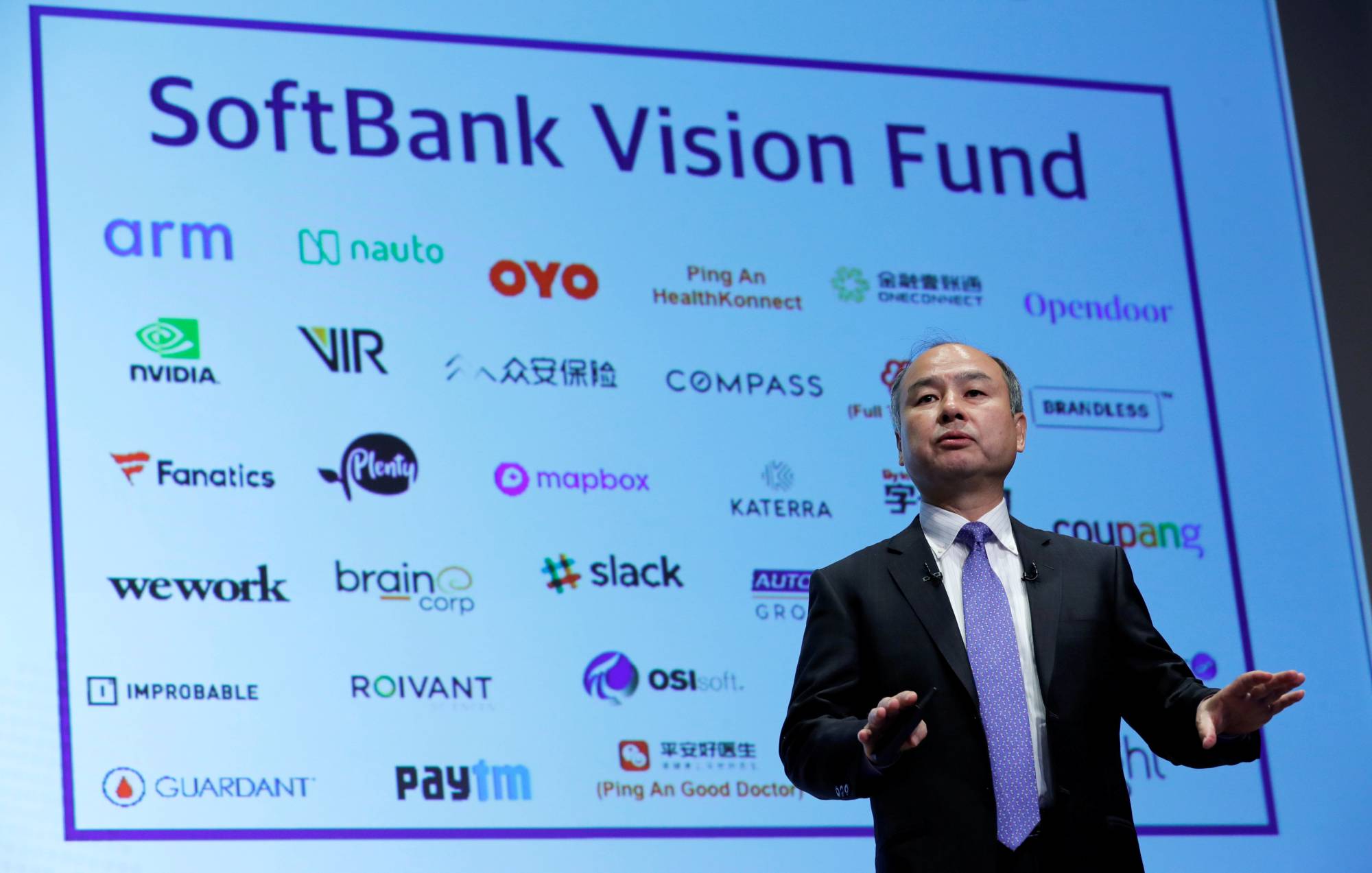
SoftBank was one of the earliest investors. Through its Vision Fund, SoftBank Group placed Ola Electric within a larger strategy of betting on electrification, sustainability, and consumer adoption. Its backing validated India’s role as a rising power in affordable, scalable clean mobility.
Rebalancing within a competitive sector
SoftBank’s decision to sell part of its stake, though small, carries symbolic weight. The trimmed holdings signal a cautious view, balancing optimism about India’s EV potential with portfolio discipline. The change also reflects SoftBank’s push to improve returns after years of bold, high-risk bets.
India’s EV market is dynamic and competitive. Ola Electric leads in two-wheelers, but rivals such as Ather Energy, TVS, and Bajaj are expanding quickly. At the same time, subsidies, charging networks, and consumer demand continue to drive growth.
Against this backdrop, SoftBank’s recalibration serves two purposes. It allows the fund to secure gains from Ola’s growth while freeing capital for other priorities like artificial intelligence and semiconductors. The sale is not a withdrawal but a repositioning.
Signals from Asia’s investment landscape
SoftBank’s adjustment reflects broader changes in Asia’s investment strategies. Japanese funds now seek a balance between opportunity and caution. Even high-profile ventures like Ola Electric are subject to this shift.
For India, Ola Electric continues to symbolize ambition in building an electric future. Its growth shows the potential of scaling innovation in emerging markets. At the same time, it highlights how hard it is to keep investor trust in a fast-moving space.
Regionally, the move shows contrasts across Asia. China dominates global EVs with leaders like BYD and NIO. Japan has doubled down on hybrids and battery research. India’s Ola Electric offers another path: making affordable two-wheelers for mass adoption. SoftBank’s stake cut underscores that India’s EV rise, while strong, exists within a wider Asian contest for leadership.
IPO preparation and market credibility
Ola Electric’s next major step is a public listing. Reports suggest the company is preparing for an IPO, which will test investor appetite for India’s EV market. SoftBank’s smaller stake may also increase the shares available for new institutional investors.
For SoftBank, the future is about balancing growth with stability. Its recalibration could serve as a model for how global funds engage with Asia’s new champions. Investors may remain involved, but with exposure sized to changing risks.
India’s EV momentum looks set to continue. High fuel prices, urban pollution, and supportive policies all push adoption forward. Ola Electric has a strong position, but it must overcome hurdles such as supply chains, infrastructure gaps, and competition.
The bigger picture is regional. Japan’s cautious style and India’s entrepreneurial drive reveal two sides of Asia’s investment story. As the region becomes central to mobility, the interaction of careful investors and bold founders will shape the sector’s direction.
Recalibration as a test of resilience
SoftBank’s reduced stake in Ola Electric is more than a financial shift. It is a signal of how global investors are rethinking their positions in Asia’s EV industry. For Ola Electric, the task is to show resilience, deliver steady innovation, and prepare credibly for an IPO. For SoftBank, the change reflects its aim to refine a vast portfolio while still backing transformative sectors.
This development reflects the maturity of Asia’s EV market. India is now a stage where global capital is tested. As Ola Electric pushes ahead and SoftBank retools its strategy, both represent the adjustments shaping Asia’s mobility and investment future.