



Huawei partners with Zhuhai Cornerstone to build resilient chip supply chain
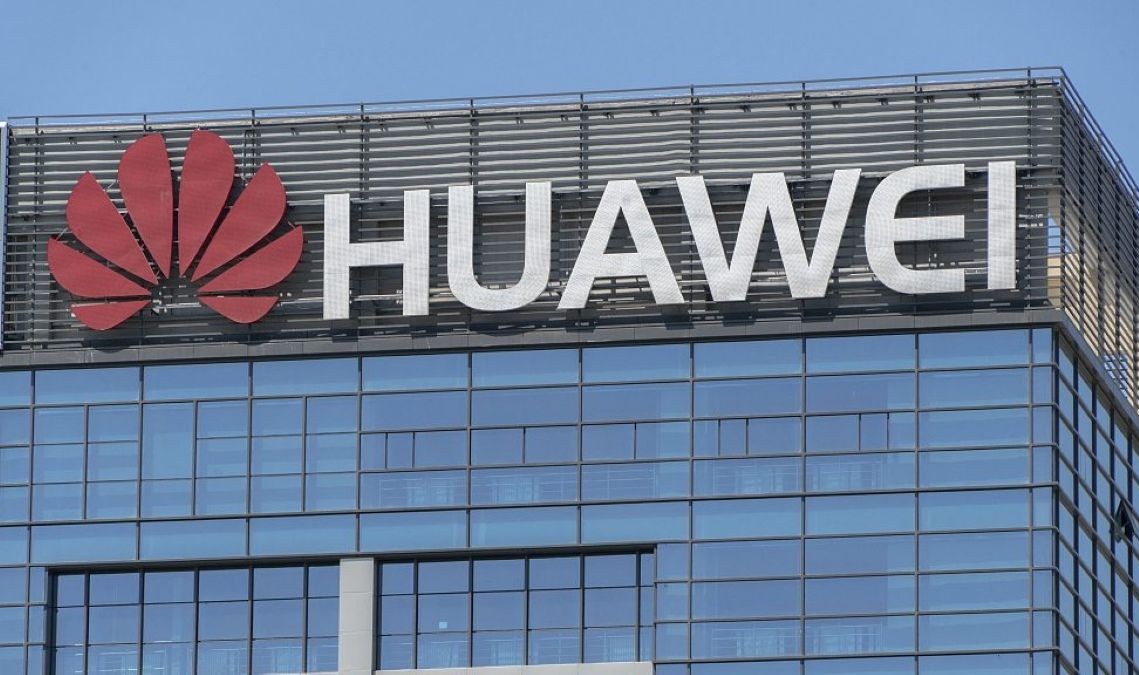
Huawei has made a major move to strengthen China’s semiconductor independence. The tech giant has invested in Zhuhai Cornerstone Technologies, a domestic company that specializes in chipmaking chemicals. This step focuses on photoresists—essential materials for advanced chip production. The investment supports China’s growing push to localize key parts of its tech supply chain. The Huawei chipmaking investment aligns closely with Beijing’s broader goals for technological sovereignty.
Background: Why photoresists are crucial in chipmaking
Photoresists play a critical role in chip manufacturing. These light-sensitive materials are used to etch circuits onto silicon wafers. They are particularly important for deep ultraviolet (DUV) and extreme ultraviolet (EUV) lithography. These technologies are required to produce the most powerful chips on the market—those smaller than 10 nanometers.
Today, companies in Japan, such as JSR Corporation and Tokyo Ohka Kogyo, dominate the photoresist market. This reliance exposes Chinese chipmakers to significant risk. Export controls or political tensions could disrupt access to these critical supplies.
Huawei’s move to invest in Zhuhai Cornerstone aims to reduce that vulnerability. It helps boost domestic innovation and brings China closer to building a self-reliant chip ecosystem.
Strategic moves: Huawei’s vertical integration strategy expands
Huawei already designs its own chips through HiSilicon and works with SMIC for chip fabrication. This new investment takes the company’s strategy a step further—into upstream materials needed for high-end chip production.
Zhuhai Cornerstone will focus on both DUV and EUV photoresist technologies. These materials are essential for manufacturing next-generation processors used in smartphones, AI systems, and servers. If successful, this development will lower China’s dependence on Japanese and U.S. suppliers, who often face geopolitical pressure.
Huawei is also forming alliances with other domestic players, including Piotech and Rongda Chemicals. Together, these partnerships support a long-term plan to build a secure, closed-loop chip supply chain within China.
Editorial insight: Huawei pivots to core materials for lasting influence
This investment marks a strategic shift. It moves the spotlight from chip design to the chemical materials that make modern semiconductors possible. Gaining control of these upstream elements is just as important as manufacturing the chips themselves.
China is following a playbook that once helped Japan dominate global tech in the 1980s. Mastering materials science gave Japanese firms a major edge. Huawei appears to be taking the same path—one that builds resilience through control over key technologies.
This shift strengthens national security. It also supports local innovation in material science, boosting long-term competitiveness.
Future outlook: Can China master the chemistry behind chips?
Developing EUV-grade photoresists is a high-stakes challenge. It requires advanced molecular engineering, long R&D cycles, and strong intellectual property protections. Still, with national policy support, deep investment, and Huawei’s leadership, Zhuhai Cornerstone could become a major global player before the end of the decade.
Success in this area would reshape global supply chains. Countries and companies might rethink how they source materials and manage risk. China could lead a wave of new strategies focused on building resilient, local production ecosystems.
Huawei’s methodical, long-term approach offers a roadmap. It shows how companies in emerging economies can reduce their dependence on foreign technologies while building frontier innovations at home.
Conclusion: Huawei’s material investments signal the next tech battleground
Huawei’s partnership with Zhuhai Cornerstone is more than a business deal. It’s a strategic move aimed at gaining control over one of the most overlooked yet essential parts of the semiconductor process. As global tech competition heats up, mastering chipmaking materials will be a key factor in determining future digital leadership. Huawei’s investment is a powerful signal: the next frontier in tech dominance may begin at the molecular level.
Read more on business spotlights and innovations features.