



Kakao deepens AI collaboration with Google
South Korea’s digital platform leader Kakao has expanded its strategic artificial intelligence partnership with Google, aiming to build new AI-powered services and develop experiences for Android XR-based smart glasses. The collaboration signals a broader push into next-generation AI hardware and immersive services.
The partnership reflects convergence between global Big Tech infrastructure and strong domestic platforms. As AI moves beyond cloud-based chat interfaces into real-world devices, companies such as Kakao and Google are positioning themselves within the emerging extended reality ecosystem. Consequently, the alliance highlights South Korea’s role in shaping the next phase of applied AI deployment.
South Korea’s AI ecosystem accelerates
South Korea has steadily advanced its national AI strategy under the guidance of the Ministry of Science and ICT (MSIT). Government initiatives have supported AI research, semiconductor development, and digital platform innovation.
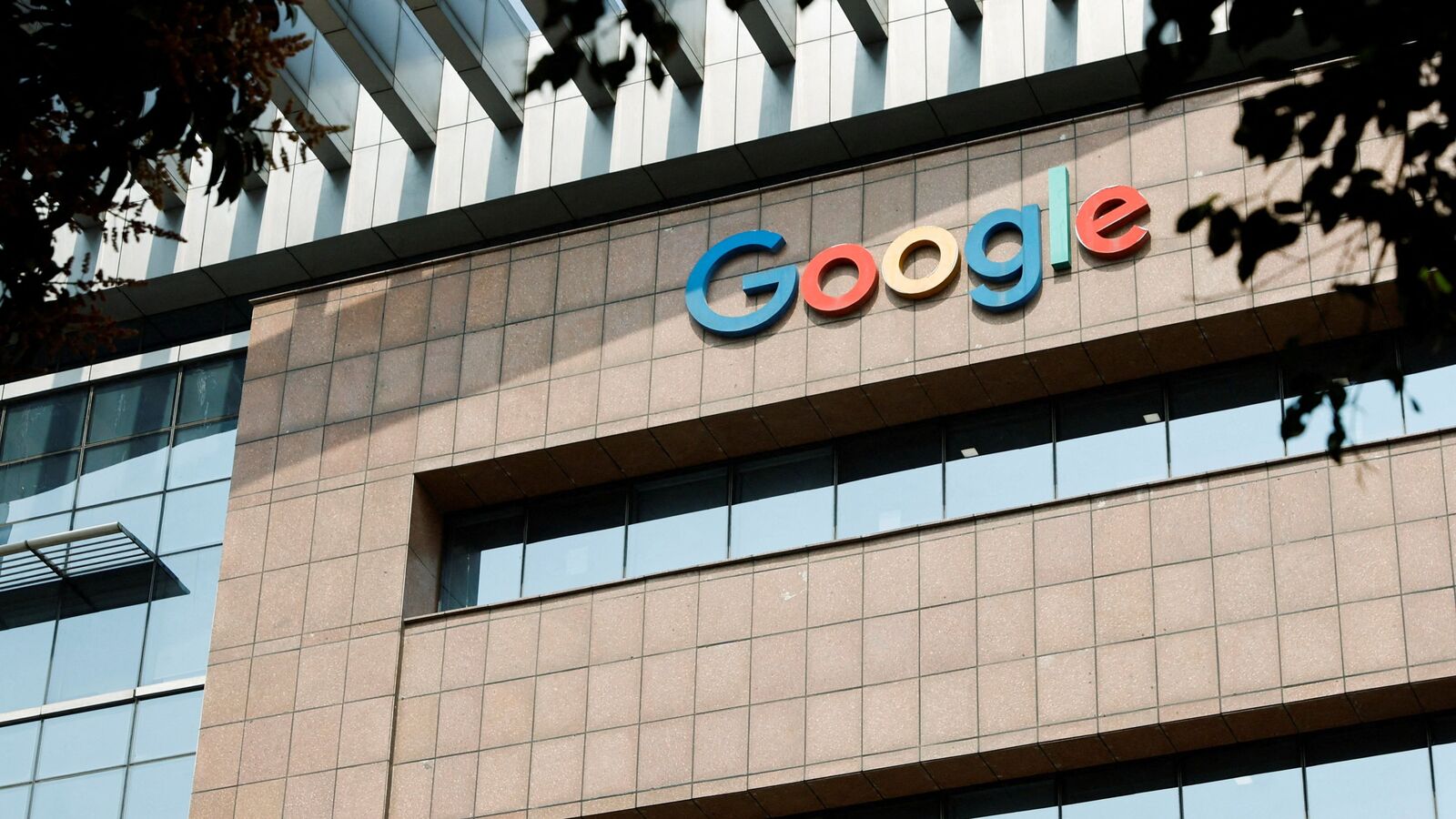
Kakao, known for its messaging platform KakaoTalk and various digital services, has gradually integrated AI into content recommendations, commerce tools, and customer engagement systems. Meanwhile, Google has expanded its AI and Android ecosystem globally, including efforts around immersive technologies such as Android XR.
As hardware innovation converges with software intelligence, collaboration between local platforms and global infrastructure providers has become increasingly strategic. Therefore, Kakao’s deeper partnership with Google reflects alignment between domestic ambition and international capability.
Integrating AI services with Android XR
Under the expanded collaboration, Kakao will work with Google to develop AI-driven services optimized for Android XR-based devices. These efforts may include conversational interfaces, contextual recommendations, and immersive content delivery tailored for wearable smart glasses.
The integration of Kakao’s local content ecosystem with Google’s Android XR framework creates practical advantages. Kakao contributes strong regional user engagement and platform familiarity. Google, in contrast, offers scalable AI models and operating system infrastructure.
Furthermore, the partnership allows Kakao to extend its services beyond mobile applications into wearable environments. As XR devices evolve, seamless AI integration will become essential for navigation, communication, and productivity use cases.
Importantly, such development aligns with broader efforts in South Korea to strengthen domestic participation in AI hardware ecosystems, complementing semiconductor and display innovation led by major technology firms.
Platform alliances define next-gen AI hardware
The expansion of Kakao and Google’s partnership reflects a key industry reality. AI hardware ecosystems require collaboration rather than isolation.
Unlike traditional smartphone development, XR-based devices depend heavily on AI capabilities embedded within operating systems and cloud services. Therefore, platform synergy becomes central to user adoption.
Kakao’s involvement ensures that locally relevant services anchor device experiences. At the same time, Google’s infrastructure enables scalable AI deployment.
This dual approach reduces fragmentation risk and increases the likelihood of ecosystem stability. In a competitive global landscape, coordinated alliances may outperform standalone innovation.
AI glasses move toward mainstream experimentation
In the near term, AI-powered Android XR devices remain in early adoption phases. However, pilot deployments and developer testing are expected to increase throughout 2026.
As device capabilities improve, consumer use cases may expand into navigation, translation, communication, and augmented productivity. Kakao’s service integration could provide immediate functional value within South Korea’s digitally connected society.
Over the medium term, broader participation from technology players may accelerate hardware maturity. South Korea’s strong semiconductor and display manufacturing base strengthens its position within the XR supply chain.
Looking ahead, the Kakao–Google collaboration may serve as a foundation for wider regional AI hardware innovation. If execution remains disciplined, the partnership could position South Korea as a central contributor to the next generation of intelligent wearable devices.
Strategic alignment strengthens AI hardware ambitions
Kakao’s expanded AI partnership with Google underscores a decisive shift toward integrated AI hardware ecosystems. By combining local platform strength with global infrastructure capability, the collaboration reflects pragmatic alignment.
As AI moves from software interfaces into immersive devices, partnerships will define competitive advantage. In this evolving landscape, South Korea’s blend of policy support, corporate innovation, and international collaboration positions it strongly for the next wave of AI-driven hardware development.