
IIT Madras Dubai AI centre expands applied innovation footprint
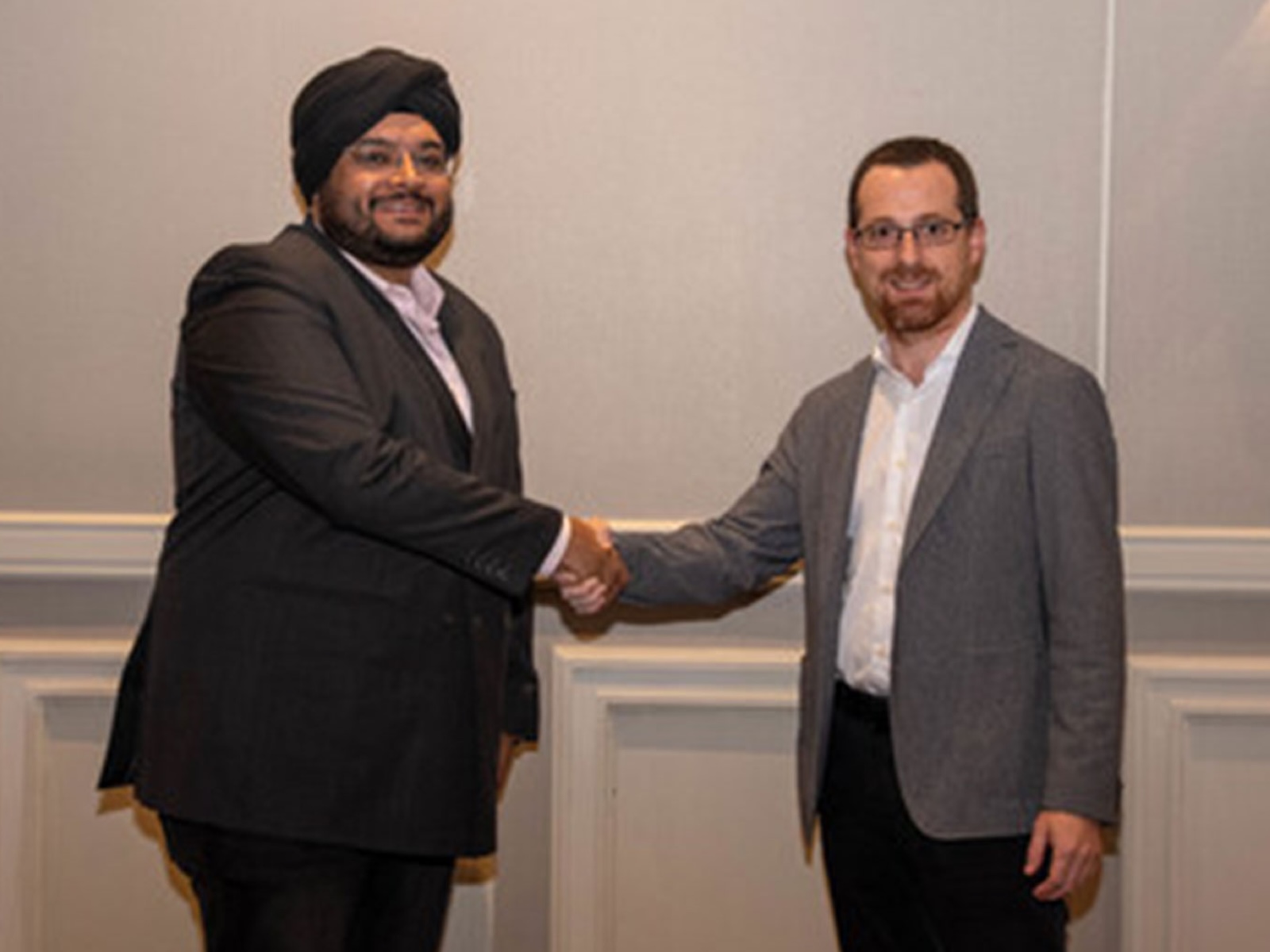
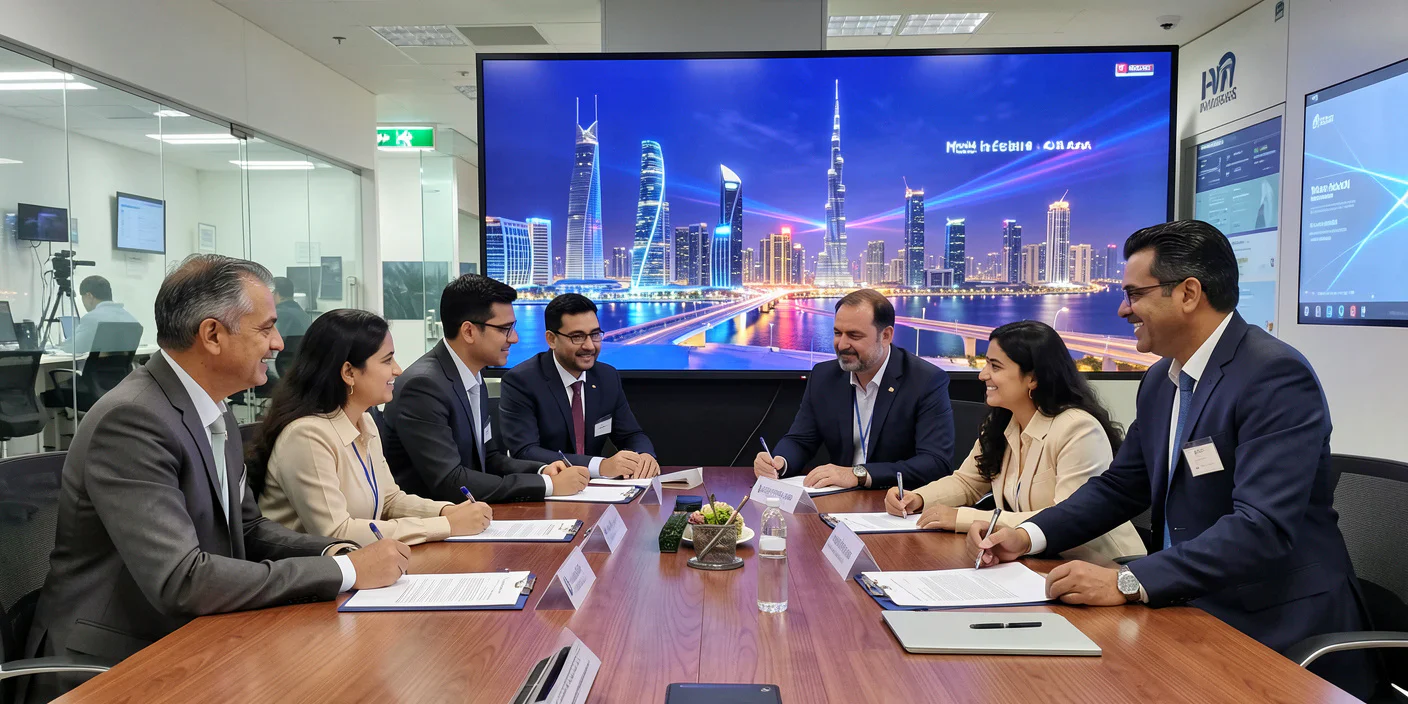
On February 18, 2026, the IIT Madras Global Research Foundation inaugurated its first overseas Applied AI Innovation Centre in Dubai. The new hub is designed to support six applied-AI startups focused on product development, intellectual property creation and structured industry partnerships.
The move signals a significant step in Asia’s academic–industry expansion model. By establishing a physical presence in the Middle East, IIT Madras strengthens its position as a global applied-AI commercialization driver while deepening India–UAE technology collaboration.
IIT Madras builds global applied-AI ecosystem
IIT Madras has steadily expanded its research and startup incubation ecosystem through initiatives supported by India’s Ministry of Education and Ministry of Electronics and Information Technology (MeitY). The institution has also gained visibility for fostering deep-tech ventures across artificial intelligence, semiconductors and mobility.
The IIT Madras Global Research Foundation serves as the international arm that enables overseas collaboration, research commercialization and industry engagement. Dubai, positioned as a regional innovation hub, provides strategic access to Middle Eastern markets and global capital networks.
Moreover, the UAE has actively invested in AI development through national strategies led by the UAE Ministry of Artificial Intelligence, Digital Economy and Remote Work Applications. Consequently, Dubai offers policy alignment and infrastructure readiness for applied AI ventures.
The establishment of the centre therefore reflects both institutional ambition and regional opportunity.
Supporting productization and IP generation
The Applied AI Innovation Centre will initially support six startups working on enterprise-grade AI solutions. These ventures focus on translating research prototypes into commercially viable products across sectors such as fintech, healthcare analytics and industrial automation.
Rather than concentrating purely on academic research, the centre emphasises applied innovation. Startups receive mentorship, access to industry networks and guidance on intellectual property protection.
Furthermore, the Dubai hub provides exposure to regional enterprises seeking AI integration. Industry partnerships are expected to accelerate pilot deployments and early revenue streams.
By embedding commercialization pathways from inception, IIT Madras aims to shorten the distance between research output and market adoption.
Academic institutions enter global AI race
Universities worldwide are intensifying efforts to commercialize research outcomes. Institutions in the United States, Europe and East Asia have established innovation labs that bridge academia and enterprise.
IIT Madras’ overseas expansion signals confidence that Asian academic institutions can compete on this global stage. Dubai’s infrastructure and investor ecosystem provide a platform for scaling beyond domestic markets.
However, execution will determine impact. Startup survival rates, patent generation and sustained enterprise adoption will serve as measurable indicators of success.
Nevertheless, cross-border research hubs can diversify funding sources and expand talent mobility.
Asia strengthens applied-AI commercialization narrative
The launch of the Dubai AI centre reflects a broader regional shift. Asian universities are moving beyond pure research output toward product-driven innovation ecosystems.
Applied AI requires more than algorithms; it demands deployment capability, regulatory awareness and enterprise alignment. By integrating these elements within an overseas hub, IIT Madras enhances commercialization maturity.
Additionally, India’s reputation as a global technology talent base complements the UAE’s capital and infrastructure strength. This partnership dynamic reinforces Asia’s collective positioning within the global AI landscape.
Consequently, academic expansion into international markets strengthens long-term influence.
From pilot cohort to global network
launches and IP filings could validate the centre’s operational model.
Over the medium term, the hub may expand its portfolio to include additional AI ventures across cybersecurity, climate tech and supply-chain analytics.
Moreover, structured collaboration with Middle Eastern corporates and sovereign innovation programmes could deepen financial sustainability.
Looking ahead, IIT Madras may replicate the model in other strategic geographies, building a network of applied-AI commercialization centres. Such expansion would reinforce India’s academic brand while supporting global technology partnerships.
Ultimately, sustained impact will depend on disciplined governance, strong mentorship and measurable commercialization outcomes.
Academic globalization powers applied AI growth
The opening of the IIT Madras Applied AI Innovation Centre in Dubai marks a pivotal step in Asia’s academic–industry integration. By supporting startups focused on product development and IP creation, the initiative strengthens applied-AI commercialization pathways.
As universities increasingly compete in the global innovation economy, cross-border expansion may define the next phase of academic influence. For IIT Madras, Dubai represents both strategic positioning and a test case for international deep-tech collaboration.