

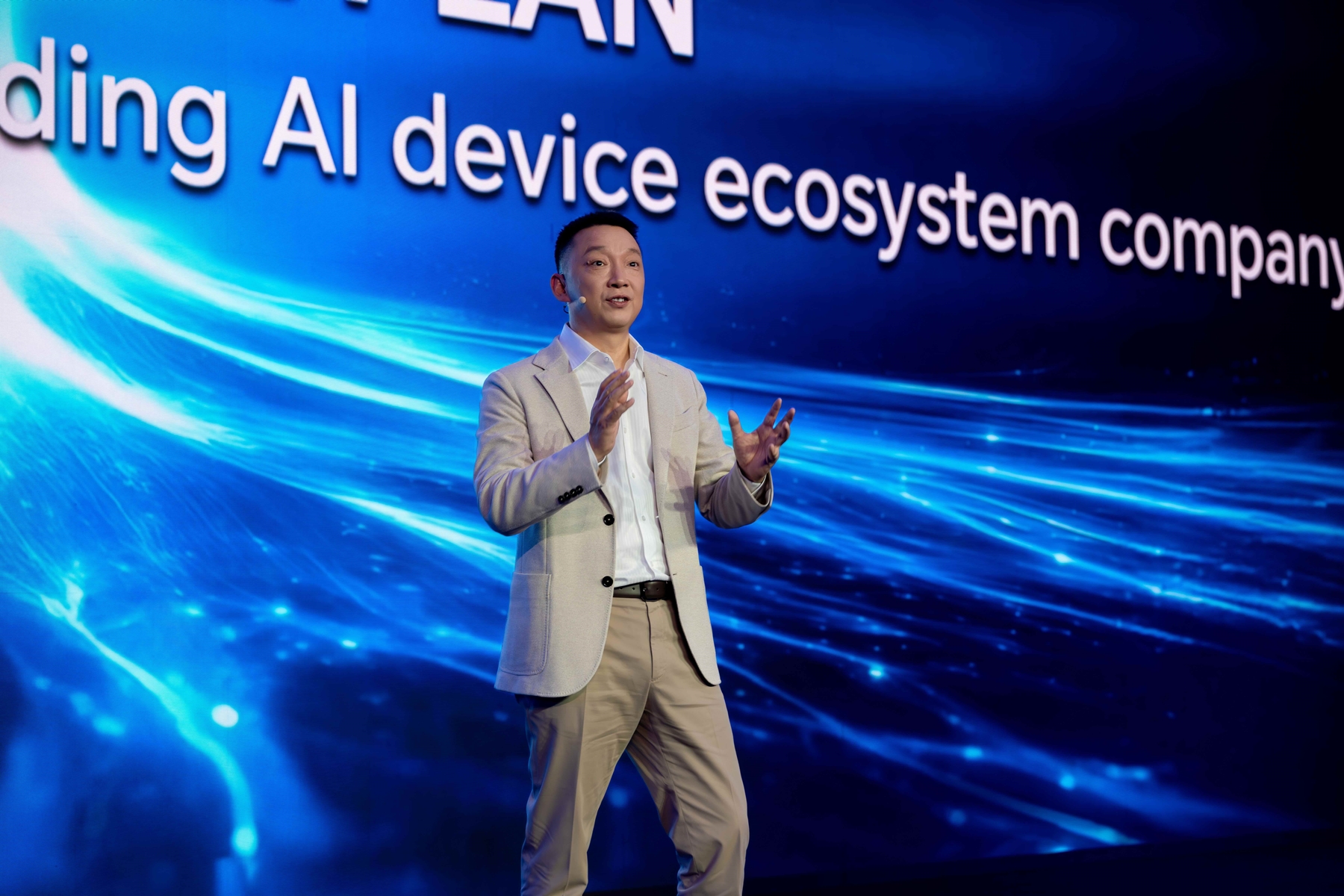




Enterprise tech firm formalises applied AI strategy
EX3, an enterprise technology solutions provider, has launched dedicated AI Labs focused on payroll automation, human resources systems, and enterprise intelligence. The move marks a strategic shift from incremental AI feature deployment toward a structured innovation model designed to deliver applied, production-ready AI tools for large organisations across Asia-Pacific.
Rather than positioning AI as an experimental add-on, EX3 is embedding it directly into core enterprise workflows. The AI Labs initiative reflects how traditional enterprise players are reorganising to capture long-term value from automation, data intelligence, and operational efficiency.
Enterprise automation enters a new phase
system replacement and process standardisation. More recently, cloud migration and analytics improved visibility and scalability.
Now, a new phase is emerging. Enterprises are seeking decision automation, predictive insights, and intelligent workflows. Payroll, HR, and compliance-heavy functions are especially ripe for transformation due to their data intensity and rule-based structures.
However, many organisations struggle to move beyond pilots. This gap between experimentation and deployment has driven enterprise vendors to internalise AI development through dedicated labs and innovation hubs.
AI Labs designed for production, not pilots
EX3’s AI Labs are structured to bridge the gap between research and deployment. The labs focus on building AI solutions that integrate directly with existing enterprise systems rather than standalone tools.
Key areas of development include payroll optimisation, workforce analytics, compliance monitoring, and intelligent reporting. By concentrating on these domains, EX3 targets use cases with immediate operational impact and clear return on investment.
The labs also function as cross-functional units, bringing together data engineers, domain specialists, and product teams. This structure reduces handover friction and accelerates time to market for new AI-driven features.
Applied AI beats generic innovation
Enterprise buyers increasingly favour applied AI over broad innovation narratives. They prioritise solutions that reduce manual work, improve accuracy, and support regulatory compliance.
Dedicated AI Labs signal seriousness. They show customers that AI development is resourced, governed, and aligned with real-world constraints. This approach contrasts with ad-hoc feature updates that often lack consistency.
For enterprise vendors like EX3, labs also create internal discipline. Clear roadmaps, testing frameworks, and accountability replace fragmented experimentation.
Payroll and HR as AI entry points
Payroll and HR systems offer ideal entry points for enterprise AI. These functions involve recurring processes, structured data, and high sensitivity to errors.
EX3’s focus on these domains allows AI to deliver tangible benefits such as anomaly detection, forecasting, and automated exception handling. Over time, these capabilities can extend into workforce planning and performance insights.
By starting with mission-critical yet bounded use cases, EX3 increases adoption likelihood while managing risk.
Asia-Pacific enterprises embrace pragmatic AI
Across Asia-Pacific, enterprises are adopting AI pragmatically. Rather than chasing cutting-edge models, many focus on solutions that improve efficiency and reduce operational cost.
Regulatory complexity, labour diversity, and multi-country operations create demand for intelligent automation tailored to local requirements. Enterprise vendors that understand regional nuances gain an advantage.
EX3’s AI Labs reflect this regional mindset. The emphasis lies on applicability, compliance, and scalability rather than experimental novelty.
Institutional and ecosystem alignment
Enterprise AI development increasingly aligns with broader digital transformation agendas supported by governments and industry bodies. Initiatives promoting productivity, automation, and workforce upskilling reinforce demand for applied AI.
Organisations such as national digital economy agencies and enterprise IT councils across Asia-Pacific continue to encourage adoption of automation technologies within regulated frameworks.
By building in-house AI Labs, EX3 positions itself to respond quickly to policy shifts, compliance updates, and enterprise standards.
Vendors move beyond feature-led AI
The enterprise software market is becoming more competitive as AI capabilities converge. Differentiation now depends on execution depth, domain expertise, and customer outcomes.
Vendors investing in dedicated AI Labs can iterate faster, customise solutions, and support long-term clients more effectively. This model contrasts with dependency on third-party AI layers that may not align fully with enterprise needs.
EX3’s approach reflects this competitive reality. Ownership of AI development enhances control over roadmap, data handling, and customer experience.
Governance and talent
Building AI Labs introduces new challenges. Governance frameworks must ensure ethical use, data security, and regulatory compliance. At the same time, attracting and retaining skilled AI talent remains competitive.
EX3 must balance innovation speed with enterprise-grade reliability. Clear validation processes, explainability, and customer transparency will be critical to maintain trust.
However, early investment in structure and governance can reduce long-term risk and improve scalability.
From automation to intelligence platforms
payroll and HR systems. These wins build confidence and user adoption.
Over the medium term, accumulated data and learning models may support predictive insights and decision-support tools. This would shift EX3’s offerings from automation toward enterprise intelligence platforms.
Longer term, the labs could serve as a foundation for industry-specific AI solutions, expanding EX3’s relevance across sectors.
A structural shift in enterprise AI development
EX3’s launch of dedicated AI Labs marks a structural shift in how enterprise tech firms pursue AI. By focusing on applied automation within core business functions, the company aligns innovation with measurable outcomes.
As enterprises demand practical AI that works within real constraints, vendors that institutionalise AI development will lead the next phase of digital transformation. EX3’s move positions it firmly within this emerging enterprise AI model.