





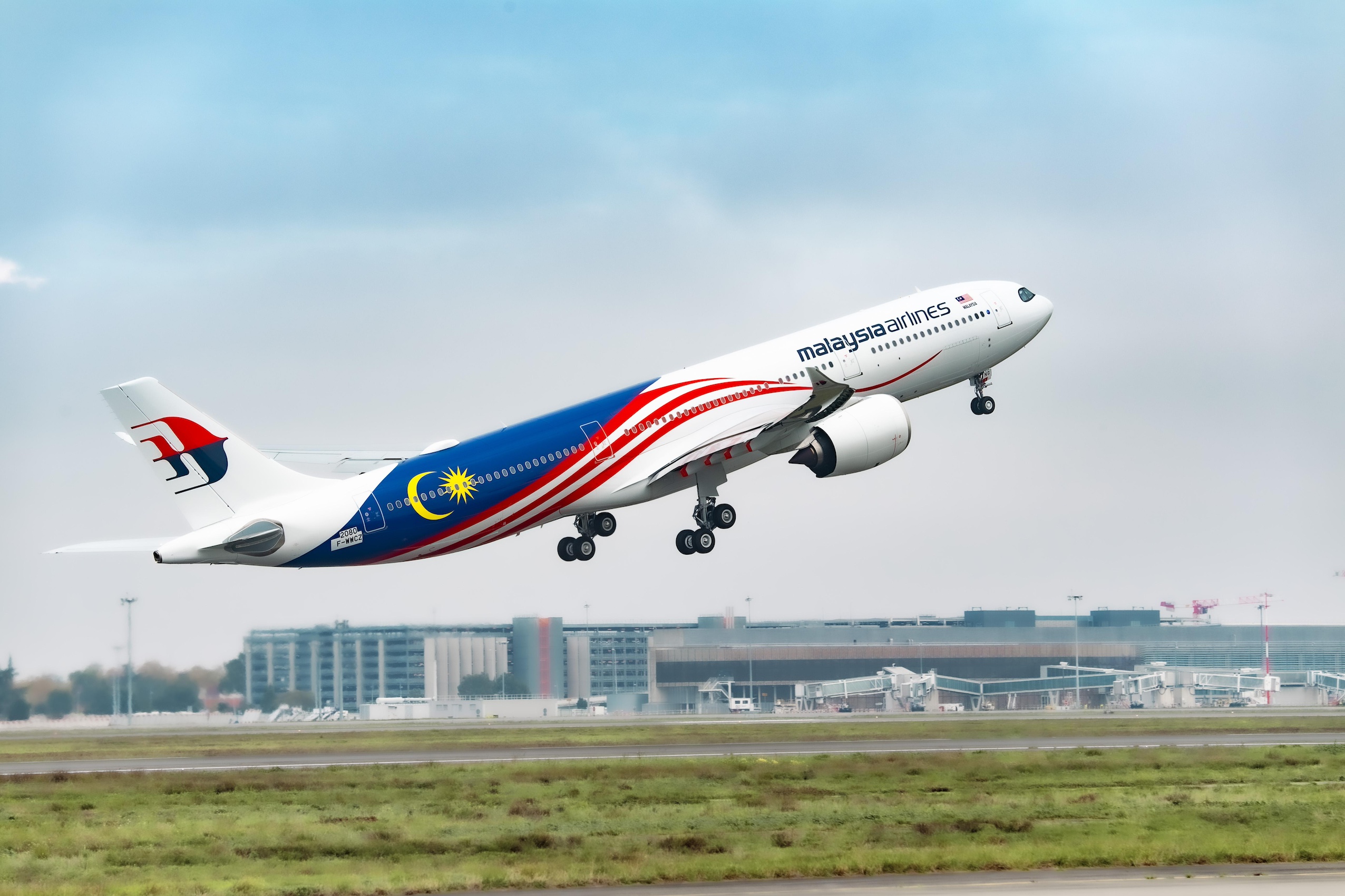
Malaysia Airlines strengthens partnerships with Gulf carriers
Malaysia Airlines has strengthened its commercial cooperation with several Gulf carriers through new codeshare agreements and reciprocal lounge access arrangements. The move aims to enhance Kuala Lumpur’s role as a regional aviation hub while expanding connectivity between Southeast Asia and the Middle East.
The Malaysia Airlines Gulf partnerships signal a deliberate strategy to deepen long-haul linkages at a time when Asia–Middle East travel and trade corridors are expanding. As Gulf airlines continue to serve as major intercontinental connectors, closer coordination supports both network growth and passenger experience.
Hub connectivity central to airline competitiveness
Malaysia Airlines operates from Kuala Lumpur International Airport, a key Southeast Asian gateway supported by Malaysia Airports Holdings Berhad (MAHB). The airline has long positioned itself as a bridge between Asia, Australia and Europe.
Meanwhile, Gulf carriers based in the United Arab Emirates and Qatar have built extensive long-haul networks linking Asia with Europe, Africa and the Americas. Their hubs serve as global transit points, attracting premium and transit traffic.
Therefore, aligning schedules and codeshare routes allows Malaysia Airlines to tap into broader destination networks without deploying additional aircraft. At the same time, Gulf partners gain greater access to Southeast Asian secondary cities through Kuala Lumpur.
Consequently, cooperative agreements have become a cost-effective expansion model in a competitive global aviation landscape.
Codeshares and passenger experience integration
The Malaysia Airlines Gulf partnerships focus on two main pillars: expanded codeshare routes and lounge reciprocity.
Under codeshare agreements, both airlines can sell seats on each other’s flights under their own flight numbers. This increases booking convenience and network visibility for travellers.
Furthermore, coordinated schedules reduce transit times. For business travellers and high-value customers, seamless connections enhance competitiveness.
Lounge access agreements also strengthen premium positioning. Frequent flyers and business-class passengers benefit from integrated services across hubs.
In addition, cargo collaboration may emerge as a secondary benefit. Stronger belly capacity coordination supports trade flows between Malaysia and Middle Eastern markets.
Overall, partnership expansion enables growth without significant capital expenditure on new aircraft.
ASEAN–Gulf corridor gains importance
The ASEAN–Gulf travel corridor has grown steadily, supported by tourism, labour mobility and investment ties. Middle Eastern sovereign funds and corporations maintain increasing exposure in Southeast Asia.
Consequently, airlines seek to capture both passenger and cargo flows.
Other regional carriers are also strengthening alliances with Gulf operators. Competition for transit traffic remains intense, particularly for Europe-bound passengers.
However, Kuala Lumpur’s geographic position offers natural routing advantages for certain Asia–Middle East itineraries.
Nevertheless, airlines must manage fuel costs, yield pressures and capacity discipline carefully.
Partnerships reduce risk in volatile market
The Malaysia Airlines Gulf partnerships illustrate how collaboration mitigates market volatility. Rather than launching new long-haul routes independently, airlines share risk through structured cooperation.
Moreover, partnership-led growth aligns with capital efficiency goals. Fleet expansion remains costly, particularly amid aircraft delivery delays.
By deepening codeshares and lounge agreements, Malaysia Airlines strengthens brand value while controlling operating complexity.
Additionally, stronger Middle East connectivity supports Malaysia’s tourism objectives under initiatives led by the Ministry of Tourism, Arts and Culture Malaysia.
However, consistent service standards and operational reliability remain essential to maintain passenger confidence.
Network depth to drive sustainable growth
In the near term, additional route alignments may expand access to Europe and Africa via Gulf hubs.
Over the medium term, digital booking integration and loyalty programme interoperability could deepen passenger engagement.
Furthermore, as trade between Southeast Asia and the Middle East grows, cargo coordination may become increasingly strategic.
Looking ahead, sustained geopolitical stability and economic growth will shape traffic momentum.
Ultimately, partnership-driven expansion positions Malaysia Airlines to strengthen hub connectivity without overextending capital commitments.
Strategic cooperation enhances Malaysia’s aviation role
Malaysia Airlines’ strengthened partnerships with Gulf carriers represent a calculated step toward deeper international integration. Through expanded codeshares and service alignment, the airline enhances Kuala Lumpur’s standing as a regional gateway.
As aviation competition intensifies across Asia and the Middle East, structured collaboration will remain central to sustainable network growth.