


South Korea to host Global Advanced Battery Summit 2026
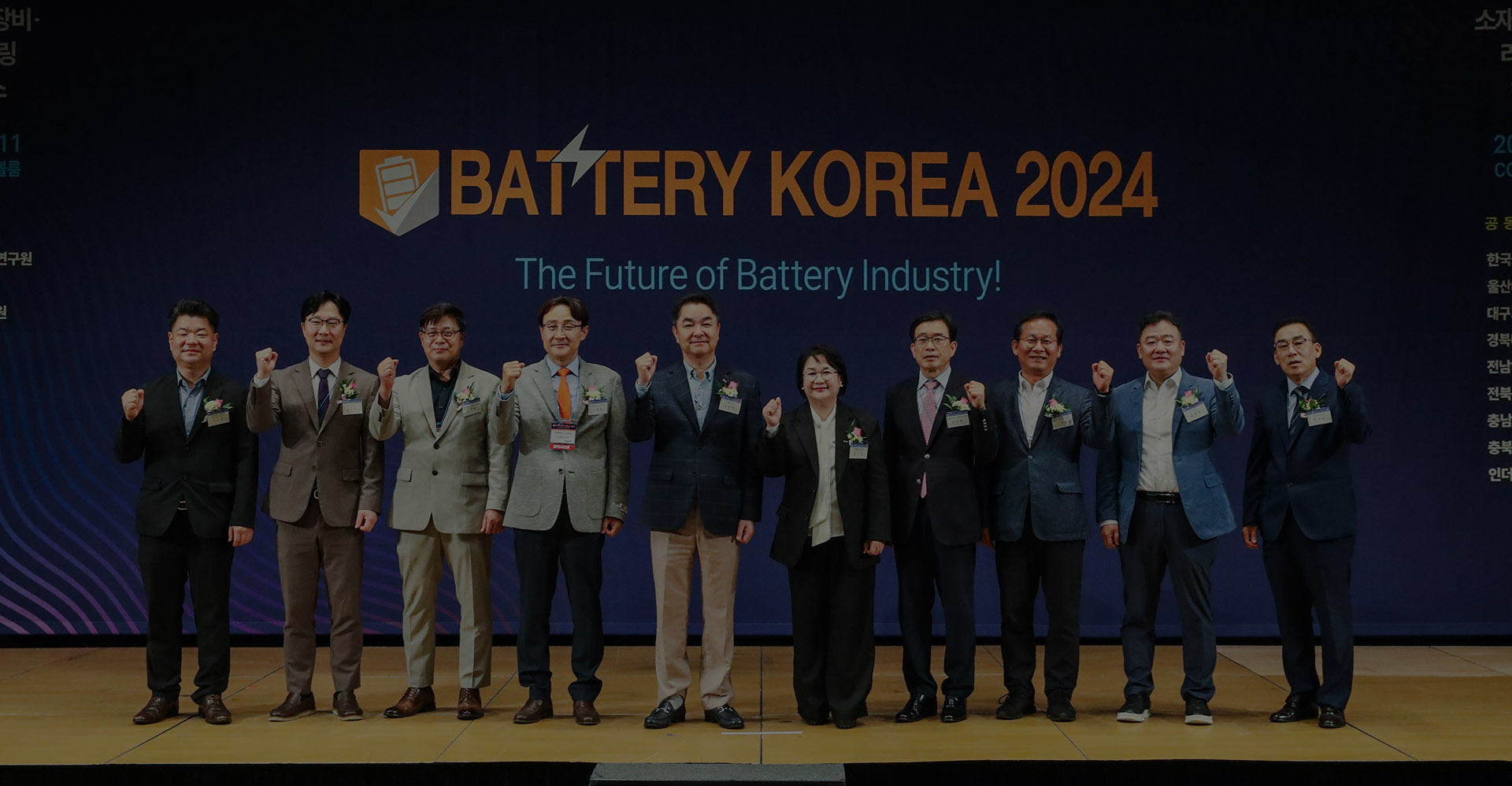
South Korea has announced it will host the Global Advanced Battery Summit 2026, bringing together leading electric vehicle battery manufacturers, government representatives and global investors. The summit aims to promote collaboration, align technical standards and strengthen cross-border investment in next-generation energy storage.
The South Korea battery summit underscores the country’s strategic role in shaping the future of EV supply chains. As battery demand surges alongside global electrification targets, governments and corporations are seeking coordinated frameworks to ensure resilience, innovation and sustainable growth.
Korea’s battery sector anchors global EV manufacturing
South Korea stands among the world’s most influential battery-producing nations. Industry leaders such as LG Energy Solution, Samsung SDI and SK On supply advanced lithium-ion battery systems to global automakers including Hyundai Motor Group and international EV brands.
Moreover, the Ministry of Trade, Industry and Energy (MOTIE) has consistently supported the battery ecosystem through research funding, industrial policy coordination and export strategy development. The Korea Battery Industry Association also plays a role in facilitating dialogue between manufacturers and policymakers.
Consequently, Korea’s battery cluster integrates research institutions, component suppliers and large-scale production facilities.
Global EV demand continues to expand, particularly across Asia, Europe and North America. However, supply chain volatility, raw material constraints and evolving regulatory requirements create new complexity.
Therefore, hosting a global summit aligns with Korea’s ambition to shape policy discussions while reinforcing industrial leadership.
Standards, investment and next-generation chemistry
The South Korea battery summit will focus on three primary pillars: technical standardisation, investment mobilisation and next-generation battery chemistry.
First, harmonising safety and performance standards remains critical. Governments seek clearer guidelines to support cross-border trade and ensure battery safety compliance. Industry coordination reduces fragmentation.
Second, the summit will highlight capital flows into battery manufacturing expansion. Large-scale gigafactory projects require significant investment commitments.
Third, research into solid-state batteries and high-energy-density cells will feature prominently. Korean manufacturers continue to explore next-generation chemistries to improve range and charging efficiency.
Additionally, sustainability considerations will form part of the dialogue. Recycling systems, raw material traceability and carbon footprint management increasingly shape procurement decisions.
Importantly, international collaboration may help stabilise mineral supply chains, including lithium, nickel and cobalt sourcing.
Thus, the South Korea battery summit integrates industrial strategy with environmental accountability.
Global battery race intensifies
The global battery industry has become intensely competitive. China remains a dominant force in battery manufacturing scale, while Japan and emerging markets also invest heavily in energy storage innovation.
Consequently, regional governments compete to secure investment, technology transfer and skilled labour.
South Korea’s decision to host a high-profile summit strengthens its diplomatic and industrial influence.
Moreover, automakers increasingly seek diversified supplier bases to mitigate geopolitical risk.
Therefore, structured dialogue between governments and manufacturers becomes essential.
At the same time, innovation cycles are accelerating. Companies must balance research breakthroughs with rapid commercial deployment.
Hence, coordinated platforms such as the South Korea battery summit may improve strategic alignment.
Industrial diplomacy shapes battery leadership
The South Korea battery summit represents more than a trade gathering. It signals industrial diplomacy in action.
By convening policymakers and private sector leaders, Korea positions itself as a mediator and innovation catalyst within the global EV ecosystem.
Furthermore, summits of this scale influence regulatory trajectories and investment sentiment.
Investors monitor policy clarity and long-term strategic commitment when allocating capital to battery projects.
However, hosting an international summit also raises expectations.
Therefore, Korea must translate dialogue into actionable frameworks and collaborative research outcomes.
Ultimately, credibility will depend on sustained industrial policy execution beyond the event itself.
Long-term ecosystem consolidation ahead
In the near term, the South Korea battery summit is expected to facilitate new memoranda of understanding, joint ventures and supply agreements.
Over the medium term, stronger alignment on standards may reduce cross-border regulatory friction.
Additionally, the event could accelerate investment in domestic gigafactory expansions and research centres.
Furthermore, collaboration between battery manufacturers and automakers may deepen integration across EV platforms.
Looking ahead, battery technology will remain central to decarbonisation strategies worldwide.
As electrification spreads into heavy transport and grid storage, coordinated policy frameworks will become even more critical.
Consequently, the South Korea battery summit may serve as a recurring forum shaping long-term industry architecture.
Korea strengthens role in EV battery governance
South Korea’s decision to host the Global Advanced Battery Summit 2026 reinforces its leadership within the global EV battery ecosystem. By aligning governments, manufacturers and investors, the country strengthens its strategic positioning in a rapidly evolving industry.
As competition intensifies and sustainability expectations grow, platforms that integrate policy and innovation will shape the next phase of energy storage development.