





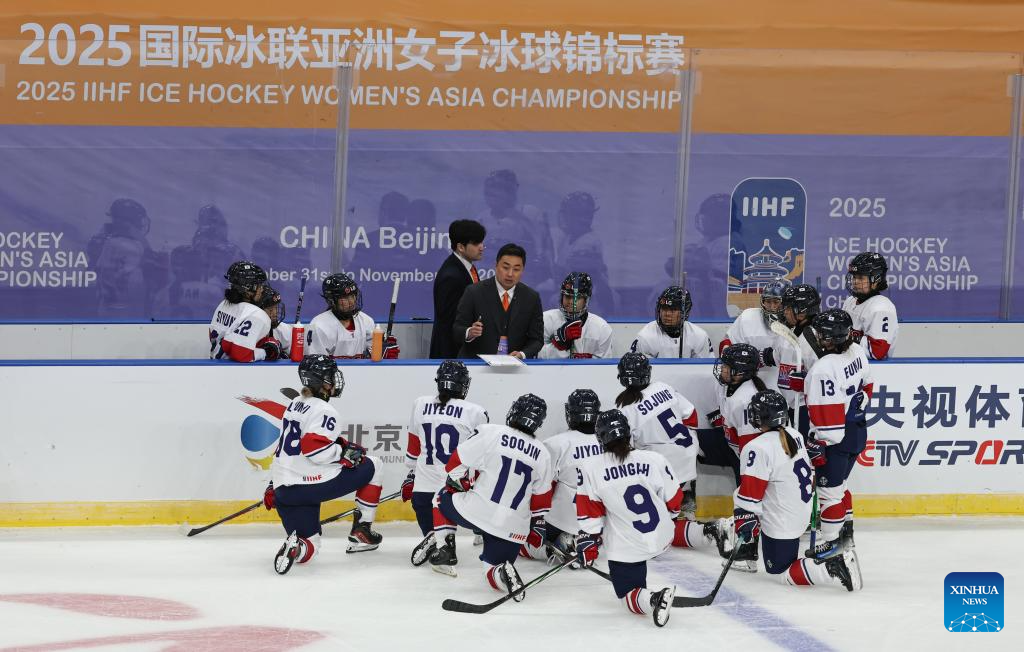
Asian ice hockey gains momentum with new continental championship
Asia’s ice-hockey landscape is preparing for a major milestone as the 2026 IIHF Asia Championship is set to take place in Beijing from 20 to 23 November 2025. Announced on 5 November, the tournament brings together national teams from across the continent for one of the region’s highest-profile ice-hockey events. While the sport remains niche in much of Asia, the launch of a dedicated regional championship signals rising ambition, growing participation, and renewed interest in cultivating winter-sports culture across the region.
Building competitive pathways for a niche winter sport
Ice hockey has historically held a limited footprint in Asia, with strong participation concentrated in only a handful of markets. China, Japan, and South Korea have invested in winter-sports infrastructure over the past two decades, but the sport has struggled to reach mainstream visibility in Southeast Asia and South Asia. Development challenges—from climate and infrastructure costs to smaller talent pipelines—have shaped the sport’s uneven regional growth.
Momentum began to shift in the mid-2010s when several Asian countries expanded domestic leagues, improved ice-rink access, and increased participation at youth and amateur levels. China’s hosting of the 2022 Winter Olympics added further visibility, encouraging new investment in skating facilities, winter-sports programs, and competitive training pathways. The support of institutions such as the General Administration of Sport of China has been instrumental in advancing the country’s winter-sports ecosystem.
The International Ice Hockey Federation, through regional development initiatives, has also strengthened training programs, coaching workshops, and competitions across Asia. These efforts aim to create a clear ladder from amateur participation to national-team representation. Against this backdrop, the creation of the IIHF Asia Championship provides a structured continental platform—one that elevates competitive standards and offers emerging teams an opportunity to test themselves against stronger hockey nations.
A continental tournament to accelerate regional growth
The Beijing championship represents a strategic step for the development of ice hockey in Asia. The tournament introduces a consistent, high-visibility platform for national teams, helping to accelerate talent development and raise competitive standards. For many emerging hockey nations, opportunities to compete at this level remain limited, making the championship a crucial bridge between local leagues and global tournaments.
Hosting the event in Beijing reinforces China’s growing leadership in Asia’s winter-sports sector. The country’s investment in rinks, training centres, and talent programs positions it as a capable hub for regional competitions. A well-executed championship could attract larger audiences, increase youth engagement, and encourage greater media coverage for a sport that remains underrepresented in mainstream Asian sports programming.
The commercial implications are equally significant. As ice hockey gains visibility, the championship may attract new sponsorship opportunities from equipment brands, sports-tech companies, airlines, and regional corporations seeking to diversify their sports portfolios. Improved exposure could also encourage national federations to increase investment in coaching, athlete development, and domestic competitions. The tournament therefore represents not only a competitive event but also a catalyst for strengthening the sport’s commercial ecosystem.
Regional tourism may benefit as well, with fans and national delegations traveling to Beijing for the event. With the support of entities such as the Ministry of Culture and Tourism of the People’s Republic of China, international sports events can stimulate local hospitality, transportation, and entertainment sectors. A well-coordinated championship could position Beijing as a recurring venue for future winter-sports competitions.
Asia’s moment to redefine a global sport
The arrival of an Asia-focused championship reflects a larger trend in global sports: the diversification of traditional disciplines into new markets. Ice hockey, long dominated by North American and European teams, now sees Asia emerging as a potential growth frontier. The Beijing tournament captures this shift, offering a platform where teams from diverse hockey cultures can compete and learn.
For Asia, investing in ice hockey brings strategic benefits. Winter sports broaden athletic pathways beyond mainstream disciplines like football or badminton, creating opportunities for youth in regions with established or emerging rink infrastructure. As countries expand their winter-sports ambitions, ice hockey offers a high-energy, spectator-friendly format that can attract families, students, and local communities.
Media exposure will play a crucial role in determining how effectively the championship raises the sport’s profile. Increased streaming access, behind-the-scenes storytelling, and athlete-focused content can draw new fans who may have never engaged with ice hockey. If national teams perform well or showcase compelling narratives, the tournament could ignite domestic interest and inspire a new generation of players.
Laying the foundation for long-term development
The success of the IIHF Asia Championship will depend on sustained coordination between federations, national sports bodies, and local organizers. A strong first edition could pave the way for annual or biennial tournaments, deepening competitive experience and strengthening the region’s ranking in global hockey.
Countries that invest early in youth academies, coaching certifications, and rink access may position themselves as future leaders in Asian hockey. China, Japan, and South Korea remain key anchors due to their infrastructure, but rapidly developing markets could follow with increased government and private-sector support. Growth in women’s hockey is also expected, aligning with global trends of expanding participation and visibility.
Looking ahead, the championship may evolve into a broader ecosystem, with training camps, talent-exchange programs, and cross-border leagues emerging across Asia. Over time, this could elevate the continent’s standing in international competitions and create a sustainable pathway for athletes aiming for the highest levels of the sport.
A defining step for ice hockey’s future in Asia
The launch of the IIHF Asia Championship marks a significant step forward for regional ice hockey. By hosting the inaugural tournament in Beijing, Asia signals its readiness to strengthen competitive standards and expand winter-sports culture across the continent. The championship combines sporting ambition with commercial opportunity, offering a platform that could reshape how ice hockey is played, promoted, and celebrated in the region. As momentum builds, this new event may become a cornerstone of Asia’s winter-sports identity.